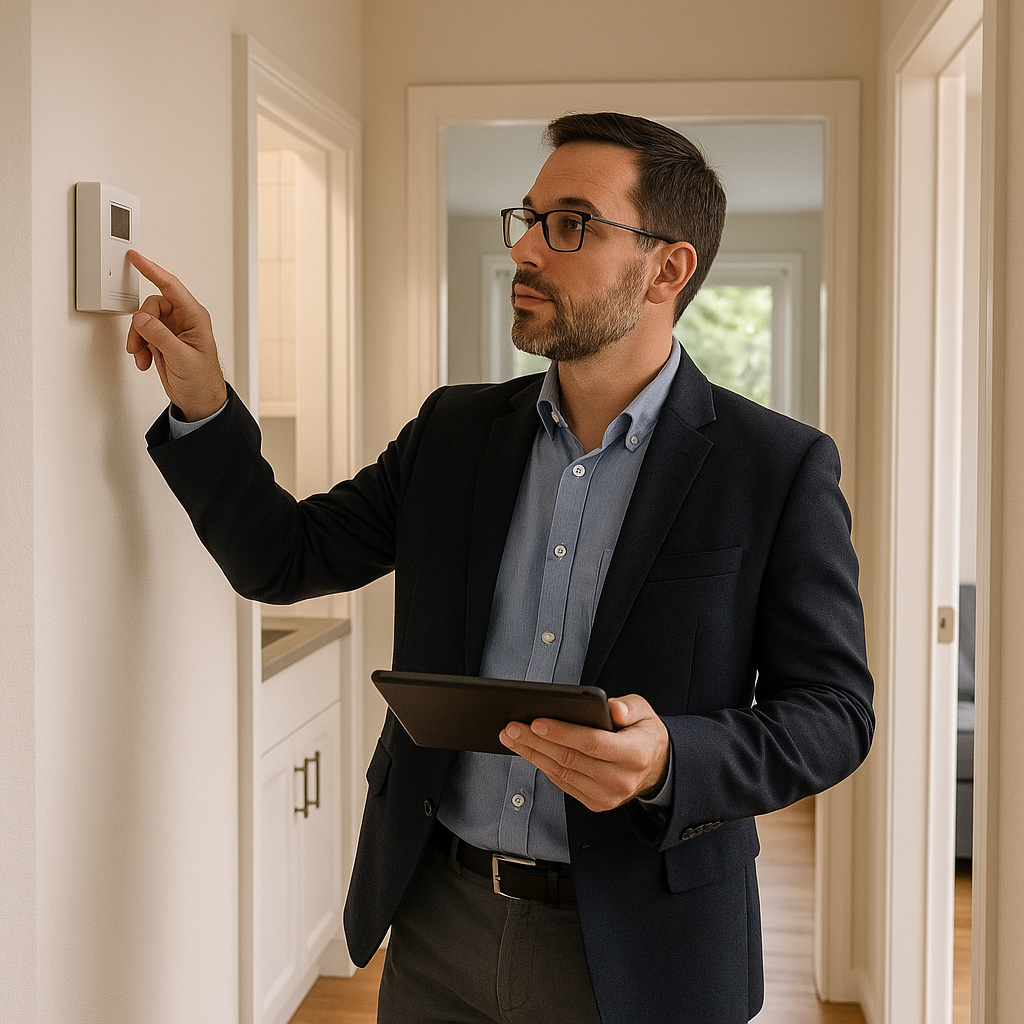
Proactive maintenance strategies can reduce vacancy loss, extend asset life, and significantly improve your rental property's return on investment.
The Financial Impact of Deferred Maintenance on Rental Property Performance
Deferred maintenance represents one of the most significant financial risks facing rental property investors in Sacramento's competitive market. When routine maintenance tasks are postponed or neglected, minor issues compound into costly capital expenditures that directly erode net operating income and diminish overall portfolio performance. A leaking faucet that costs $150 to repair today can evolve into a $5,000 water damage remediation project within months, while a neglected HVAC system may require complete replacement years ahead of its expected lifecycle.
The financial implications extend beyond immediate repair costs. Properties with visible maintenance deficiencies command lower rental rates, experience extended vacancy periods, and attract lower-quality tenant prospects. According to industry data, rental properties with deferred maintenance issues typically experience 15-25% longer vacancy periods compared to well-maintained comparable units. This vacancy loss directly impacts cash flow and reduces the property's capitalization rate, ultimately diminishing asset valuation.
Furthermore, deferred maintenance creates a cascading effect on operational expenses. Emergency repairs command premium pricing, often 30-50% higher than scheduled maintenance work. Property owners face additional costs including tenant relocation expenses, potential lease violations, and increased insurance premiums. For Sacramento investors managing multiple properties, these compounding costs can quickly transform a profitable portfolio into an underperforming liability. Strategic preventative maintenance planning eliminates these financial drains while preserving capital reserves for value-add improvements that genuinely enhance investment returns.
How Preventative Maintenance Reduces Vacancy Loss and Tenant Turnover
Tenant retention represents the most cost-effective strategy for maximizing rental income, and preventative maintenance serves as the cornerstone of successful retention programs. When tenants experience responsive, proactive property care, they develop stronger satisfaction levels and demonstrate significantly higher lease renewal rates. Industry research consistently demonstrates that replacing a tenant costs between 50-100% of one month's rent when accounting for marketing expenses, vacancy loss, turnover maintenance, and administrative processing. For Sacramento property owners, where median rental rates continue to appreciate, these turnover costs represent substantial capital that could otherwise contribute to portfolio expansion.
Preventative maintenance programs directly address the primary drivers of tenant dissatisfaction and premature lease termination. Regular HVAC servicing ensures comfortable living conditions year-round, scheduled plumbing inspections prevent disruptive failures, and proactive appliance maintenance eliminates inconvenient breakdowns. Tenants who experience fewer maintenance emergencies and faster resolution times perceive greater value in their rental arrangements, creating powerful retention incentives. This proactive approach transforms property management from reactive crisis response into strategic tenant relationship management.
The financial impact of improved tenant retention extends across multiple performance metrics. Extended tenancy periods reduce vacancy loss, eliminate turnover costs, and create predictable cash flow streams that enhance property valuation multiples. Long-term tenants also demonstrate lower delinquency rates and better property stewardship, further reducing operational costs. For Sacramento investors seeking to optimize portfolio performance, implementing systematic preventative maintenance protocols represents a high-return strategy that simultaneously reduces expenses while increasing revenue stability and tenant satisfaction scores.
Building a Cost-Effective Preventative Maintenance Schedule for Sacramento Properties
Developing an effective preventative maintenance schedule requires careful analysis of Sacramento's unique climate conditions, property characteristics, and equipment lifecycles. The region's Mediterranean climate with hot, dry summers and mild, wet winters creates specific maintenance priorities. HVAC systems require biannual servicing—spring preparation for cooling season and fall preparation for heating demands. Irrigation systems and exterior drainage require particular attention before winter rainfall to prevent water intrusion issues. Roof inspections should occur annually before the rainy season, while exterior painting and weatherproofing projects are optimally scheduled during the dry summer months.
A comprehensive preventative maintenance schedule should incorporate both time-based and condition-based inspection protocols. Monthly inspections should address high-frequency items including HVAC filter replacement, smoke detector testing, and common area cleanliness. Quarterly reviews should examine plumbing fixtures, appliance performance, pest control effectiveness, and exterior drainage systems. Annual inspections must include roof condition assessment, water heater evaluation, electrical system review, and comprehensive exterior property assessment. This layered approach ensures critical systems receive appropriate attention while optimizing labor efficiency and minimizing disruption to tenant occupancy.
Cost-effectiveness requires strategic vendor relationships and bulk scheduling optimization. Sacramento property owners managing multiple units should negotiate annual service contracts with qualified contractors, securing preferential pricing and priority scheduling. Grouping similar maintenance tasks across properties maximizes technician efficiency and reduces per-unit costs. Digital maintenance tracking systems enable data-driven decision making, identifying patterns that inform equipment replacement timing and preventing premature capital expenditures. For investors seeking maximum return on investment, a well-structured preventative maintenance schedule transforms from an operational expense into a strategic profit center that preserves asset value while minimizing total cost of ownership.
Leveraging Technology and Proactive Systems to Optimize Maintenance Workflows
Modern property management technology platforms have revolutionized preventative maintenance execution, enabling Sacramento investors to implement sophisticated tracking systems that were previously accessible only to institutional portfolio managers. Cloud-based property management software integrates maintenance scheduling, vendor coordination, expense tracking, and tenant communication into unified workflows that dramatically improve operational efficiency. Automated scheduling systems generate work orders based on predetermined intervals, ensuring no critical maintenance tasks are overlooked regardless of portfolio complexity. Digital documentation creates comprehensive maintenance histories that enhance property valuations and provide essential records for tax depreciation schedules.
Proactive monitoring systems represent the next evolution in preventative maintenance optimization. Smart home technology including connected thermostats, water leak detectors, and HVAC monitoring systems provide real-time performance data that identifies potential failures before they occur. These systems alert property managers to abnormal operating patterns, enabling intervention during early failure stages when repairs remain cost-effective. For Sacramento properties where summer cooling demands create substantial utility expenses, smart thermostats optimize energy efficiency while monitoring system performance for maintenance indicators. The data generated by these systems also informs capital planning decisions, providing objective metrics for equipment replacement timing.
Integration between maintenance management platforms and financial accounting systems creates powerful analytical capabilities. Property owners gain visibility into maintenance cost trends across properties, enabling comparative analysis that identifies underperforming assets or excessive expense categories. This data-driven approach supports strategic decision-making regarding property disposition, capital improvement prioritization, and portfolio optimization. For investors managing properties across Sacramento's diverse neighborhoods, technology-enabled maintenance workflows provide the operational sophistication necessary to maximize returns while maintaining service quality standards that drive tenant retention and support premium rental positioning.
Protecting Your Investment Through Strategic Maintenance Planning
Strategic maintenance planning transcends routine operational tasks to become a fundamental component of comprehensive asset protection and portfolio risk management. Rental properties represent significant capital investments, and systematic preventative maintenance serves as essential insurance against premature asset deterioration and unexpected capital calls. Well-maintained properties preserve their physical condition, command premium rental rates, and maintain competitive positioning within Sacramento's dynamic rental market. This proactive approach protects both current cash flow and long-term asset appreciation potential.
The relationship between preventative maintenance and property valuation deserves particular attention from serious investors. Commercial property valuations utilize income capitalization methodologies where net operating income directly determines asset value. Properties with comprehensive maintenance histories and minimal deferred maintenance command higher capitalization rates and attract more favorable financing terms. When portfolio disposition becomes strategically appropriate, well-documented preventative maintenance programs provide compelling evidence of superior asset stewardship, supporting premium pricing and accelerating transaction timelines. For Sacramento investors building wealth through rental property appreciation, maintenance planning represents a critical value preservation strategy.
Beyond financial considerations, strategic maintenance planning addresses regulatory compliance and liability risk management. California's robust landlord-tenant law framework imposes specific habitability standards and maintenance obligations. Systematic preventative maintenance programs ensure consistent compliance, reducing exposure to tenant disputes, code violations, and potential litigation. Comprehensive documentation demonstrates good faith efforts to maintain safe, habitable conditions—a critical defense in any dispute scenario. For property owners seeking to build sustainable, long-term rental portfolios in Sacramento's increasingly regulated environment, strategic maintenance planning provides essential risk mitigation while simultaneously optimizing investment performance across all key metrics.
This content is for informational and educational purposes only. It does not constitute an offer or solicitation to buy or sell any security or investment product. Past performance and market trends do not guarantee future results. Consult a licensed financial advisor before making investment decisions. All Inclusive Realty Group, Inc. DRE #02005619.