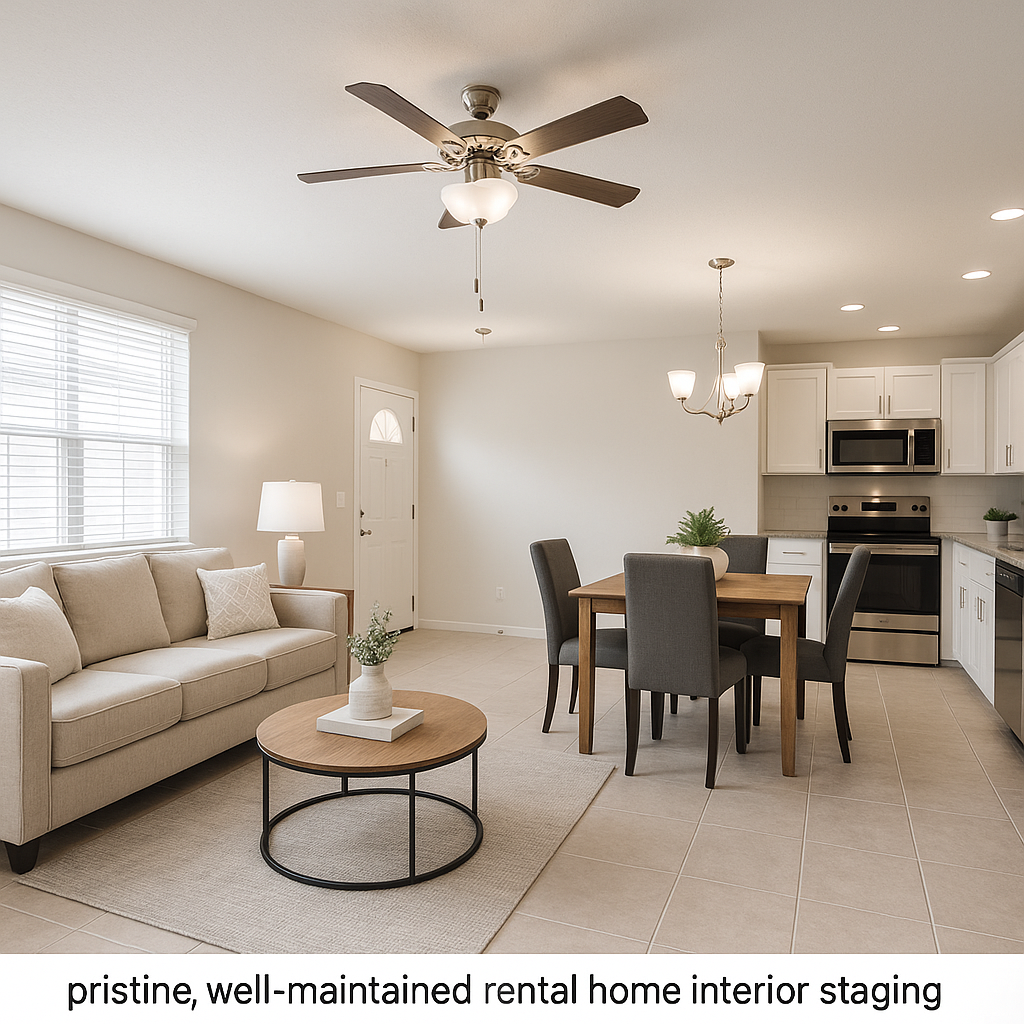
A well-managed rental property delivers seamless tenant experiences, maximizes retention, and protects your investment value through proactive service and professional oversight.
Responsive Maintenance That Prevents Problems Before They Escalate
In a well-managed rental home, maintenance is not reactive—it is strategic. Property owners and portfolio managers who prioritize responsive maintenance systems recognize that deferred repairs compound operational costs and accelerate asset depreciation. A professional property management approach implements systematic maintenance protocols that identify and resolve minor issues before they evolve into capital-intensive failures. This proactive methodology directly impacts tenant retention metrics, as residents consistently cite maintenance responsiveness as a primary factor in lease renewal decisions.
Effective maintenance management requires integrated technology platforms that enable rapid issue identification, transparent work order tracking, and vendor coordination. Sacramento property investors benefit from management systems that maintain established relationships with licensed contractors, ensuring timely response to maintenance requests while controlling per-incident costs. Regular preventive maintenance schedules for HVAC systems, plumbing infrastructure, and structural components extend asset life cycles and preserve property valuations. When tenants experience consistent, professional maintenance service, vacancy loss decreases and rental income stability increases—directly enhancing return on investment for property owners.
The financial implications of responsive maintenance extend beyond immediate repair costs. Properties with documented maintenance histories command premium valuations during portfolio transactions and demonstrate operational excellence to prospective investors. For landlords managing multiple units, centralized maintenance tracking provides data-driven insights into cost patterns, enabling strategic capital allocation decisions. A well-managed rental home operates as a predictable financial asset rather than a source of unexpected expenditures, reflecting the fundamental difference between professional property management and informal landlord practices.
Clear Communication Channels That Build Trust and Reduce Friction
Transparent, consistent communication forms the operational foundation of successful property management. Professional management establishes structured communication protocols that provide tenants with multiple access points—digital portals, dedicated phone lines, and documented email systems—ensuring that concerns receive prompt acknowledgment and resolution. This systematic approach reduces friction in the landlord-tenant relationship while creating documented records that protect both parties in compliance scenarios. For property investors, clear communication channels translate directly to reduced tenant turnover and lower vacancy-related income loss.
Effective communication extends beyond reactive problem-solving to include proactive updates regarding property matters, lease compliance requirements, and market conditions. Sacramento property owners benefit when management teams provide regular financial reporting, maintenance updates, and performance metrics that enable data-driven portfolio decisions. Tenants in well-managed properties receive timely notifications about inspections, maintenance schedules, and policy updates, eliminating uncertainty and fostering cooperative relationships. This transparency builds trust that encourages long-term tenancy and reduces the operational costs associated with frequent tenant transitions.
The integration of technology platforms enhances communication efficiency while maintaining professional standards. Online portals enable tenants to submit maintenance requests, access lease documents, and process rent payments through secure channels that create audit trails for compliance purposes. For property managers coordinating multiple properties, centralized communication systems streamline workflows and ensure consistent service delivery across portfolio holdings. Clear communication channels represent not merely a tenant amenity but a risk mitigation strategy that protects property owners from misunderstandings that could escalate into legal disputes or regulatory violations.
Proactive Property Inspections That Protect Asset Value
Regular property inspections constitute a critical component of professional asset management, serving dual purposes of compliance verification and value preservation. Well-managed rental properties implement scheduled inspection protocols—typically quarterly or semi-annual—that document property conditions, identify maintenance needs, and ensure lease compliance. These systematic inspections provide property owners with objective assessments of asset condition, enabling informed decisions regarding capital improvements and maintenance budgets. For Sacramento real estate investors, documented inspection records enhance property valuations and demonstrate diligent stewardship to lenders and potential buyers.
Proactive inspections prevent minor issues from escalating into costly repairs while identifying tenant behaviors that may violate lease terms or threaten property integrity. Professional property managers conduct inspections with standardized checklists that assess structural components, mechanical systems, safety compliance, and tenant maintenance of the premises. This systematic approach protects landlords from undiscovered property damage while providing tenants with clear expectations regarding property care standards. When inspection findings are documented with photographic evidence and detailed reports, property owners possess defensible records that support security deposit determinations and lease enforcement actions.
The financial impact of regular inspections extends throughout the property lifecycle. Early detection of water intrusion, HVAC inefficiencies, or structural concerns prevents exponential repair cost escalation and preserves long-term asset value. For portfolio managers, aggregated inspection data reveals patterns that inform strategic decisions regarding property improvements, insurance coverage, and capital reserve allocations. Properties with documented inspection histories command higher market values and attract quality tenants who recognize professional management standards. Proactive inspections represent a fundamental investment protection strategy that distinguishes sophisticated property management from reactive, crisis-driven approaches.
Streamlined Rent Collection and Financial Transparency
Efficient rent collection systems form the cornerstone of rental property financial performance, directly impacting cash flow stability and investment returns. Professional property management implements automated collection processes that utilize online payment platforms, scheduled electronic transfers, and clear payment policies that minimize late payments and delinquencies. For Sacramento property investors, streamlined rent collection reduces administrative burden while improving income predictability—critical factors in loan performance and portfolio valuation. Well-managed properties maintain collection rates exceeding 98%, reflecting both tenant quality and systematic enforcement of lease payment terms.
Financial transparency extends beyond rent collection to encompass comprehensive reporting that provides property owners with detailed income and expense documentation. Professional management delivers monthly financial statements that categorize operational costs, track maintenance expenditures, and reconcile security deposits in accordance with California landlord-tenant law. This detailed reporting enables property investors to make informed decisions regarding rental rate adjustments, capital improvements, and portfolio optimization strategies. Transparent financial management also facilitates tax preparation, loan underwriting processes, and compliance with fair housing financial documentation requirements.
The integration of technology platforms enhances both collection efficiency and financial reporting accuracy. Online portals enable tenants to schedule automatic payments, access payment histories, and receive electronic receipts that reduce disputes and administrative inquiries. For property managers coordinating multiple units, centralized accounting systems aggregate financial data across portfolios, providing comparative performance metrics that identify underperforming assets and optimization opportunities. Streamlined rent collection and transparent financial management reduce operational costs while maximizing net operating income—the fundamental drivers of rental property investment value and long-term wealth accumulation for real estate investors.
Compliance-Driven Operations That Mitigate Legal and Financial Risk
Regulatory compliance represents a critical dimension of professional property management, protecting property owners from legal liability and financial penalties. Well-managed rental properties operate within comprehensive compliance frameworks that address fair housing laws, habitability standards, security deposit regulations, and local landlord-tenant ordinances specific to Sacramento and California jurisdictions. Professional management maintains current knowledge of evolving regulatory requirements and implements operational protocols that ensure consistent adherence to legal standards. For property investors, compliance-driven operations mitigate the substantial financial risks associated with discrimination claims, habitability lawsuits, and regulatory violations that can exceed annual rental income from affected properties.
Effective compliance management requires systematic documentation practices, standardized lease agreements, and staff training programs that embed legal requirements into daily operations. Professional property managers utilize legally vetted lease templates that incorporate required disclosures, maintain detailed records of tenant communications and maintenance activities, and implement fair screening criteria that withstand regulatory scrutiny. This systematic approach protects landlords from claims of discriminatory practices while ensuring that eviction proceedings, when necessary, follow proper legal procedures that courts will uphold. Sacramento property owners benefit from management teams familiar with local rent control considerations, tenant protection ordinances, and jurisdiction-specific compliance requirements that vary across California municipalities.
The financial implications of compliance failures extend far beyond immediate legal costs to encompass reputational damage, insurance premium increases, and diminished property values. Properties with documented compliance violations face challenges in refinancing, portfolio sales, and tenant acquisition as sophisticated renters increasingly research landlord litigation histories. Conversely, properties managed with rigorous compliance protocols demonstrate lower risk profiles to lenders, insurers, and potential investors. Compliance-driven operations represent not merely a legal obligation but a strategic asset protection methodology that preserves property values and enhances long-term investment performance. For real estate investors building sustainable portfolios, professional management with embedded compliance expertise constitutes an essential component of risk-adjusted return optimization.