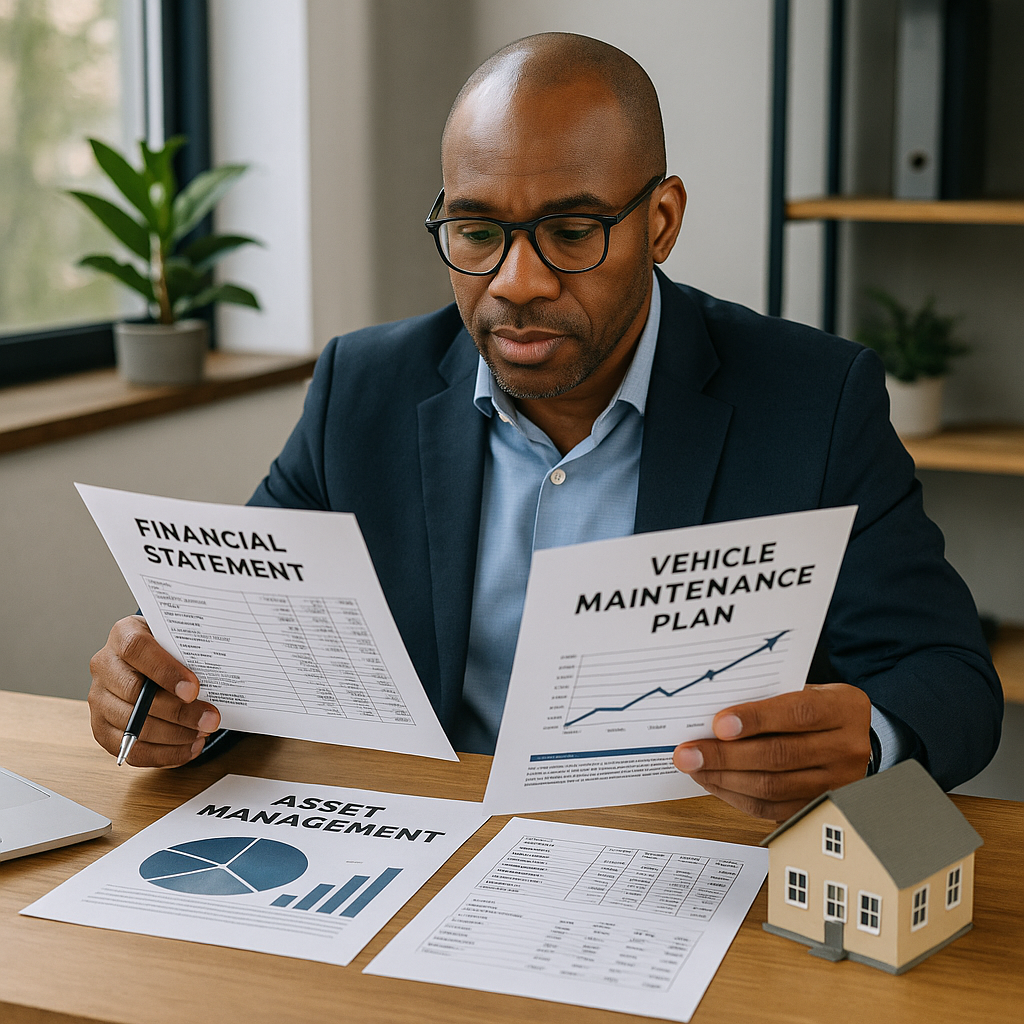
Unlock insights into the evolving landscape of BMW maintenance plan costs for 2026 and how they can impact the financial planning of real estate investors and property managers.
How Vehicle Maintenance Costs Influence Real Estate Investment Strategies
For real estate investors and property managers, operating costs extend far beyond property taxes and routine maintenance. Vehicle expenses, particularly for companies leveraging premium brands such as BMW for site visits, property tours, and vendor coordination, can significantly impact an investment portfolio’s overall return profile. As maintenance costs continue to rise industry-wide, understanding and projecting these expenses has become an essential component of strategic investment planning.
Decisions regarding vehicle procurement and maintenance must be aligned with broader portfolio objectives, including maximizing NOI (Net Operating Income) and minimizing capital outflows. The reliability and cost-effectiveness of vehicles used for business operations directly influence property management efficiency, tenant satisfaction, and ultimately, investor dividends.
Key Features of BMW Maintenance Plans for 2026: What Investors Need to Know
BMW maintenance plans for 2026 reflect a commitment to comprehensive coverage and cost predictability, both critical for real estate managers seeking stability in operational budgets. Standard offerings typically include scheduled servicing, brake and fluid replacement, and select wear-and-tear items. New for 2026, certain packages may provide extended telematics support and predictive diagnostics, further minimizing unplanned downtime.
Investors and property managers should pay close attention to plan inclusions, exclusions, and term limits. Understanding the nuances—such as requirements for OEM parts, authorized service center restrictions, and the impact of high-mileage usage—enables more accurate forecasting and strategic contract selection. This diligence helps ensure operational vehicles remain assets rather than liabilities within a real estate portfolio.
Integrating Transportation Expenses into Property Management Financial Models
Transportation expenses, including vehicle maintenance, are increasingly recognized as a core line item in property management financial models. Accurate integration of these costs enables real estate professionals to establish realistic operating budgets, set competitive management fees, and justify rent adjustments to owners and investors.
Advanced financial modeling tools allow for the dynamic allocation of transportation expenses across multiple properties, factoring in usage patterns, service intervals, and projected depreciation. This level of detail enhances portfolio transparency and supports more informed decision-making, especially when evaluating the total cost of property management in competitive markets like Sacramento and Roseville.
Comparing BMW Maintenance Costs with Other Business Vehicle Solutions
While BMW offers a premium experience and strong brand alignment for upscale property management operations, it is vital to benchmark maintenance costs against alternative business vehicle solutions. Other manufacturers may provide lower upfront costs or broader service networks but could lack the advanced diagnostics and customer support integral to minimizing operational disruptions.
A comparative analysis, considering both direct costs (maintenance, repairs, insurance) and indirect costs (downtime, brand perception), empowers real estate investors to select the most appropriate transportation strategy. The goal is to optimize overall portfolio performance, balancing expense management with the need to project professionalism and reliability to clients and tenants.
Best Practices for Managing Operating Expenses in Real Estate Portfolios
Successful property management in 2026 demands a proactive approach to all aspects of expense control, including vehicle maintenance. Best practices include negotiating fleet service agreements, scheduling preventive maintenance, leveraging telematics for predictive servicing, and conducting regular cost reviews against industry benchmarks.
Additionally, integrating maintenance tracking with centralized property management software ensures timely reporting, streamlined approvals, and enhanced oversight. By maintaining disciplined expense management across all operational areas—including transportation—property managers can protect investor returns, sustain compliance, and support long-term portfolio growth.