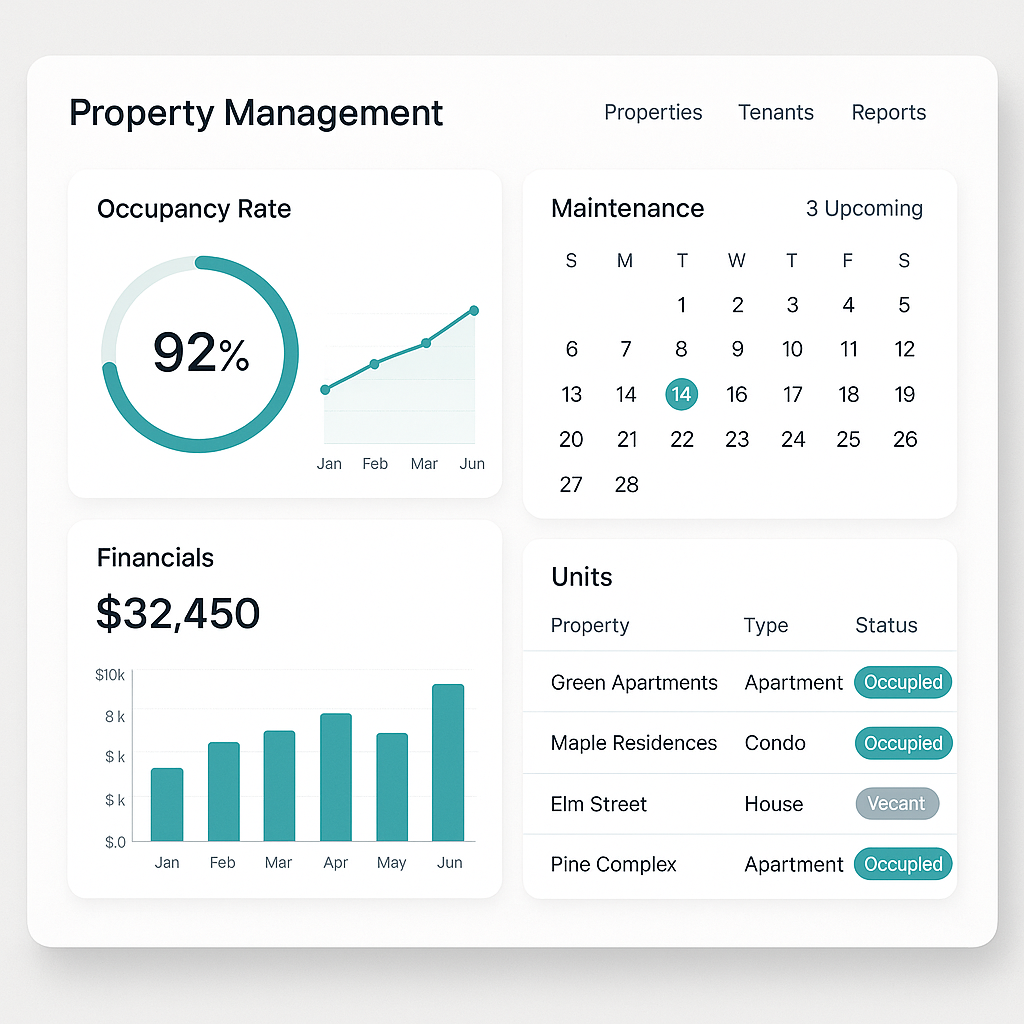
Discover how strategic operational frameworks and data-driven processes transform rental properties into consistent revenue-generating assets with minimized vacancy loss and optimized tenant retention.
Proactive Maintenance Protocols That Preserve Asset Value
Asset preservation begins with systematic maintenance protocols that prevent capital deterioration and mitigate operational disruptions. Institutional-grade property management frameworks recognize that deferred maintenance compounds exponentially, creating cascading liability exposure and accelerating depreciation beyond standard useful life projections. A structured preventive maintenance schedule—encompassing HVAC systems, plumbing infrastructure, roofing integrity, and exterior envelope components—directly correlates with sustained net asset value and reduced emergency capital expenditures.
Data-driven maintenance planning leverages historical work order analytics to identify failure patterns and optimize service intervals. Properties with documented preventive maintenance programs demonstrate measurably lower vacancy rates, as prospective tenants perceive operational reliability as a quality indicator. Furthermore, systematic maintenance documentation creates defensible records for capital improvement analysis, enabling precise calculation of return on investment for property upgrades and supporting accurate capitalization versus expense classification for tax optimization.
The financial impact of proactive maintenance extends beyond cost avoidance. Properties with comprehensive maintenance histories command premium valuations during disposition, as institutional buyers discount heavily for deferred maintenance risk. Sacramento market conditions particularly favor well-maintained assets, where competitive rental markets reward operational excellence with superior tenant retention metrics and reduced lease-up friction during turnover cycles.
Data-Driven Tenant Screening and Retention Frameworks
Tenant selection represents the most consequential decision in rental property operations, directly influencing cash flow stability, legal risk exposure, and long-term asset performance. Rigorous screening frameworks integrate credit analysis, income verification protocols, rental history validation, and eviction record review to establish quantifiable risk profiles. Optimal screening standards balance selectivity with market velocity—overly restrictive criteria extend vacancy periods, while insufficient due diligence increases default probability and turnover costs.
Sophisticated property management operations employ predictive analytics to refine screening thresholds based on portfolio-specific performance data. Rent-to-income ratios, credit score minimums, and employment stability requirements should align with historical delinquency patterns and local market conditions. Sacramento rental markets present unique considerations, including seasonal demand fluctuations and competitive dynamics that necessitate calibrated screening criteria to optimize occupancy rates without compromising tenant quality.
Retention frameworks extend beyond initial placement to encompass systematic tenant relationship management. Proactive communication protocols, responsive maintenance fulfillment, and strategic lease renewal incentives reduce voluntary turnover—the most significant controllable expense in rental operations. Quantitative retention analysis identifies at-risk tenancies early, enabling targeted intervention strategies. Properties achieving retention rates exceeding 75% demonstrate substantially superior net operating income profiles, as turnover costs typically represent 50-100% of monthly rent when accounting for vacancy loss, turnover expenses, and lease-up concessions.
Fair housing compliance represents a non-negotiable component of screening frameworks. Consistent application of documented criteria, objective evaluation standards, and comprehensive recordkeeping mitigate discrimination claims and regulatory exposure. All screening protocols must align with federal Fair Housing Act requirements, California Fair Employment and Housing Act provisions, and Sacramento municipal ordinances to ensure legal defensibility and operational sustainability.
Financial Controls That Maximize Net Operating Income
Net operating income optimization requires rigorous financial controls spanning revenue management, expense containment, and cash flow monitoring. Rental rate optimization represents the primary revenue lever, demanding continuous market analysis to identify pricing opportunities while minimizing vacancy risk. Comparative market analysis should incorporate unit-specific attributes, seasonal demand patterns, and competitive positioning to establish rates that maximize revenue per available unit. Sacramento market dynamics necessitate particular attention to absorption rates and inventory levels, as pricing misalignment directly impacts time-to-lease and effective gross income.
Expense management frameworks establish accountability structures for controllable costs while monitoring fixed obligations for optimization opportunities. Detailed general ledger coding enables precise expense categorization, facilitating variance analysis and benchmark comparison. Maintenance expenditures warrant particular scrutiny, as uncontrolled repair costs erode margins rapidly. Vendor management protocols—including competitive bidding requirements, service level agreements, and performance monitoring—ensure cost-effective service delivery without quality compromise.
Cash flow controls protect against revenue leakage and ensure timely collection. Automated rent collection systems reduce delinquency rates through payment convenience and systematic follow-up protocols. Late fee enforcement, while requiring sensitivity to tenant relationships, establishes payment discipline and compensates for time value of money on delayed receipts. Security deposit accounting must maintain strict compliance with California Civil Code Section 1950.5, as procedural deficiencies create statutory liability exposure exceeding deposit amounts.
Financial reporting frameworks provide transparency for ownership decision-making and support portfolio-level performance evaluation. Monthly operating statements should reconcile to bank activity, present variance analysis against budget projections, and calculate key performance indicators including occupancy rates, effective gross income, operating expense ratios, and net operating income margins. Institutional investors increasingly demand standardized reporting aligned with National Council of Real Estate Investment Fiduciaries guidelines, positioning properties for optimal valuation during refinancing or disposition events.
Technology Integration for Operational Efficiency
Operational efficiency gains through technology integration directly translate to margin expansion and competitive advantage in property management operations. Property management platforms consolidate tenant communications, maintenance coordination, financial reporting, and lease administration into unified systems that reduce administrative burden and minimize error rates. Cloud-based solutions enable real-time access to critical operational data, facilitating informed decision-making and responsive service delivery.
Maintenance management systems transform reactive service models into predictive frameworks. Digital work order platforms create accountability through timestamped service records, enable tenant self-service request submission, and generate analytics identifying recurring issues requiring capital intervention. Integration with vendor management systems streamlines service dispatch, tracks response times, and documents completion verification—critical components for liability management and tenant satisfaction optimization.
Financial technology integration automates rent collection, expense tracking, and owner distributions while maintaining audit trails for compliance verification. Electronic payment processing reduces collection costs, accelerates cash conversion, and provides payment convenience that enhances tenant satisfaction. Automated late fee assessment and delinquency notification workflows ensure consistent policy enforcement without administrative overhead, while integrated accounting systems eliminate manual data entry and reconciliation inefficiencies.
Tenant screening platforms leverage national databases for credit reporting, criminal background checks, and eviction history research, delivering comprehensive risk assessment within compliance frameworks. Automated application processing reduces time-to-decision, improving applicant experience and reducing vacancy duration. Document management systems maintain organized lease files, inspection records, and compliance documentation—essential for regulatory audits and legal proceedings. Sacramento property managers operating without integrated technology platforms face measurable competitive disadvantages in operational costs, service responsiveness, and data-driven decision capability.
Compliance Systems That Mitigate Legal and Regulatory Risk
Regulatory compliance represents existential risk in property management operations, as violations generate statutory penalties, litigation exposure, and reputational damage that far exceed operational cost savings from non-compliance. Fair housing compliance frameworks must permeate all operational aspects—advertising language, application processing, tenant selection, accommodation requests, and lease enforcement. Consistent application of objective criteria, comprehensive staff training, and documented decision rationale establish defensible practices against discrimination claims.
California landlord-tenant law imposes substantial procedural requirements exceeding federal baseline standards. Security deposit handling under Civil Code Section 1950.5 mandates specific timelines, itemization requirements, and interest obligations that create strict liability for procedural deficiencies. Habitability standards under Civil Code Section 1941 establish tenant rights to essential services, with repair and deduct remedies and rent withholding provisions that require responsive maintenance protocols. Rent control ordinances in certain Sacramento jurisdictions impose additional constraints on rent increases, just cause eviction requirements, and relocation assistance obligations that demand jurisdiction-specific compliance monitoring.
Eviction procedures require precise adherence to statutory notice requirements, grounds specifications, and procedural timelines. Unlawful detainer actions filed with procedural deficiencies face dismissal, extending possession recovery and compounding revenue loss. Professional property management operations maintain standardized notice templates, documented lease violation records, and legal counsel relationships to ensure compliant enforcement procedures. The cost of procedural errors in eviction proceedings—including attorney fees, extended vacancy, and potential wrongful eviction claims—substantially exceeds the cost of compliance systems.
Risk mitigation extends to insurance adequacy, entity structuring, and contract management. Property insurance policies must provide appropriate coverage limits for replacement cost, liability exposure, and loss of rents. Umbrella policies address catastrophic liability scenarios beyond primary policy limits. Vendor contracts should incorporate indemnification provisions, insurance requirements, and limitation of liability clauses that transfer appropriate risk. Regular compliance audits identify procedural gaps before regulatory enforcement or litigation crystallizes latent exposure into realized losses. Sacramento property investors operating without systematic compliance frameworks assume unquantified liability that materially impacts risk-adjusted returns and asset valuations.