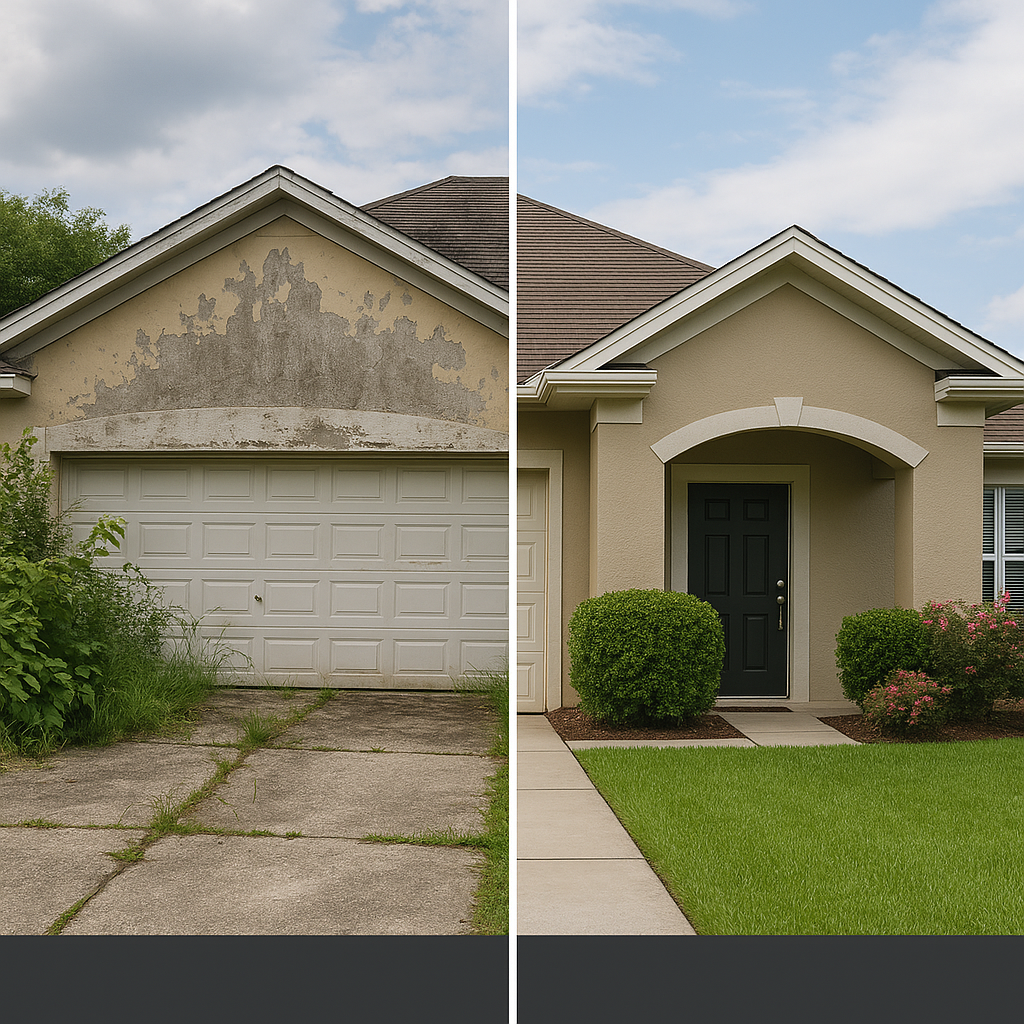
Passive property management may seem convenient, but neglecting your rental investment can cost thousands in lost income, deferred maintenance, and tenant turnover—here's what Sacramento landlords need to know.
Why Passive Property Management Erodes Your Investment Returns
The allure of passive income from rental properties often leads Sacramento landlords to adopt a hands-off approach to property management. However, this 'set it and forget it' mentality fundamentally undermines the core objective of real estate investment: maximizing return on investment (ROI) through strategic asset management. When property owners fail to actively monitor their rental portfolios, they create a systematic erosion of investment returns that compounds over time, transforming what should be an appreciating asset into an underperforming liability.
Passive property management directly impacts cash flow performance in measurable ways. Properties that lack consistent oversight typically experience rental rates that fall 5-15% below market value within 18-24 months, as landlords fail to implement strategic rent adjustments aligned with Sacramento's dynamic rental market conditions. This revenue gap represents thousands of dollars in lost annual income per unit—capital that could otherwise contribute to debt service reduction, portfolio expansion, or operational reserves. Furthermore, passive management prevents landlords from identifying and capitalizing on value-add opportunities such as property improvements that command premium rents or operational efficiencies that reduce expense ratios.
The financial impact extends beyond immediate cash flow concerns. Passive oversight creates information asymmetries that prevent data-driven decision-making regarding property performance, tenant quality, and market positioning. Without regular property inspections, financial analysis, and market comparisons, landlords operate without the critical performance metrics necessary for portfolio optimization. This lack of actionable intelligence results in missed opportunities for strategic repositioning, inefficient capital allocation, and ultimately, diminished long-term asset appreciation—the cornerstone of successful real estate investment strategy.
The Compounding Financial Impact of Deferred Maintenance and Tenant Neglect
Deferred maintenance represents one of the most insidious costs associated with passive property management, as minor issues systematically escalate into capital-intensive repairs that significantly impact investment returns. When landlords adopt a reactive rather than proactive maintenance approach, they allow small problems—such as minor roof leaks, HVAC inefficiencies, or plumbing issues—to develop into structural damage, system failures, and code violations that can cost 300-500% more to remediate than preventive maintenance would have required. In Sacramento's climate, where seasonal temperature variations and occasional heavy rainfall can stress building systems, this compounding effect accelerates rapidly.
The financial modeling of deferred maintenance reveals its true impact on investment performance. A $200 roof repair neglected for two years can evolve into a $15,000 roof replacement combined with interior water damage remediation, mold abatement, and potential tenant relocation costs. Similarly, failure to service HVAC systems annually can reduce equipment lifespan by 40-50%, necessitating premature capital expenditures of $5,000-$12,000 per unit while simultaneously increasing utility costs and tenant complaints. These unplanned capital outlays disrupt cash flow projections, strain operational reserves, and reduce funds available for strategic property improvements that enhance asset value.
Tenant neglect compounds these maintenance challenges while creating additional financial exposure. When property managers fail to address tenant concerns promptly or maintain consistent communication, they signal that property conditions are not a priority. This perception drives high-quality tenants to seek alternative housing while encouraging remaining tenants to report fewer issues—not because problems don't exist, but because they've lost confidence in management responsiveness. The result is a deteriorating property condition that goes undetected until turnover, at which point landlords face concentrated repair costs, extended vacancy periods, and diminished rental rates due to property condition. Research indicates that properties with responsive management retain tenants 60% longer than those with passive oversight, translating directly to reduced turnover costs and improved NOI performance.
Vacancy Loss and Turnover Costs You Cannot Afford to Ignore
Vacancy loss represents the single largest controllable expense in rental property operations, yet passive property management systematically increases both vacancy duration and frequency. Every day a rental unit remains vacant directly reduces annual gross income, with the average Sacramento rental vacancy costing property owners $75-$150 per day in lost revenue depending on unit size and market positioning. When landlords fail to implement proactive tenant retention strategies, maintain competitive property conditions, or execute efficient turnover procedures, they extend vacancy periods from the market average of 15-20 days to 45-60 days or longer—effectively sacrificing 8-15% of annual rental income to preventable vacancy loss.
The true cost of tenant turnover extends far beyond lost rental income. A comprehensive financial analysis of turnover expenses reveals multiple cost categories that passive management fails to control: marketing and advertising expenses ($200-$500), tenant screening and application processing ($100-$200), cleaning and minor repairs ($500-$1,500), painting and cosmetic updates ($800-$2,000), professional deep cleaning and carpet replacement ($600-$1,800), and lease preparation and administrative costs ($150-$300). When combined with vacancy loss during the turnover period, the total cost of replacing a single tenant typically ranges from $3,000 to $7,000 per occurrence. For Sacramento landlords with multiple units, high turnover rates driven by passive management can eliminate 20-40% of annual net operating income.
Proactive tenant retention strategies directly address this financial exposure by extending average tenancy duration and reducing turnover frequency. Properties with active management that includes responsive maintenance, regular communication, lease renewal incentives, and property condition monitoring achieve tenant retention rates 40-60% higher than passively managed properties. This translates to measurable ROI improvement: a landlord who reduces turnover from twice annually to once every two years saves $6,000-$14,000 per unit over that period while maintaining consistent occupancy rates above 96%. These savings flow directly to net operating income, improving both cash-on-cash returns and property valuation through enhanced income capitalization.
Compliance Risks and Legal Exposure From Inattentive Oversight
The regulatory environment governing residential rental properties in California creates substantial legal exposure for landlords who fail to maintain active oversight of their investments. Sacramento property owners must navigate a complex framework of federal fair housing regulations, state-level tenant protection statutes, local municipal codes, and habitability requirements that evolve continuously through legislative action and case law interpretation. Passive property management creates compliance gaps that expose landlords to civil litigation, regulatory penalties, and financial judgments that can exceed annual property income by multiples—transforming a profitable investment into a significant liability.
Specific compliance risks multiply when landlords adopt a hands-off management approach. Fair housing violations stemming from inconsistent tenant screening, discriminatory lease enforcement, or inadequate reasonable accommodation procedures can result in federal complaints carrying penalties of $16,000-$70,000 per violation plus attorney fees and damages. California's habitability requirements mandate that landlords maintain properties in conditions suitable for human occupancy, with violations triggering tenant rights to repair-and-deduct, rent withholding, or constructive eviction claims that eliminate rental income while legal costs accumulate. Security deposit regulations under California Civil Code Section 1950.5 impose strict handling, documentation, and return requirements, with non-compliance resulting in penalties up to twice the security deposit amount plus attorney fees—costs that passive management frequently incurs through inadequate record-keeping and missed deadlines.
Local Sacramento ordinances add additional compliance layers that require active monitoring. Rental property registration requirements, mandatory inspection programs, and occupancy permit regulations vary by jurisdiction within the greater Sacramento area, with non-compliance resulting in administrative citations, operating restrictions, and potential inability to enforce lease terms or evict non-paying tenants. Furthermore, passive management prevents landlords from documenting property conditions, tenant communications, and maintenance activities—the evidentiary foundation necessary to defend against tenant claims or pursue legal remedies for lease violations. The financial impact of a single undefended tenant lawsuit, including attorney fees, court costs, potential judgments, and lost rental income during litigation, typically ranges from $15,000 to $50,000—effectively eliminating multiple years of investment returns from a single compliance failure that active oversight would have prevented.
Proactive Management Strategies That Maximize Rental Income and Asset Value
Transitioning from passive to proactive property management requires implementing systematic processes that optimize financial performance while mitigating the risks outlined above. The foundation of effective property management begins with establishing regular property inspection protocols—quarterly walk-throughs that identify maintenance needs before they escalate, verify tenant compliance with lease terms, and document property conditions for legal protection. These inspections should follow standardized checklists covering structural elements, mechanical systems, safety features, and tenant-caused damage, with findings documented through timestamped photographs and written reports that create an audit trail for insurance claims, legal proceedings, and capital planning decisions.
Financial optimization strategies must include annual market rent analysis to ensure rental rates align with current Sacramento market conditions and property positioning. Landlords should conduct comparative market analysis examining similar properties within a one-mile radius, adjusting for property condition, amenities, and location factors to establish optimal pricing that maximizes income without increasing vacancy risk. This analysis should inform strategic lease renewal conversations 90-120 days before expiration, offering existing tenants renewal incentives that balance modest rent increases against turnover costs—an approach that typically achieves 15-25% higher tenant retention while maintaining competitive rental income. Additionally, proactive management includes implementing preventive maintenance schedules for HVAC systems, water heaters, and other mechanical equipment, reducing emergency repair costs by 40-60% while extending equipment lifespan and maintaining tenant satisfaction.
Technology integration enhances management efficiency while improving tenant communication and financial tracking. Property management software platforms provide centralized systems for rent collection, maintenance request tracking, document storage, and financial reporting—creating the data infrastructure necessary for performance analysis and strategic decision-making. Online rent payment systems reduce collection costs, improve payment timeliness, and create automated documentation of payment history. Digital maintenance request portals enable tenants to report issues with photographic documentation while allowing landlords to track response times, vendor performance, and maintenance spending patterns. These systems generate the performance metrics essential for portfolio optimization: occupancy rates, average days to lease, maintenance cost per unit, tenant retention percentages, and net operating income trends that inform capital allocation decisions and property disposition strategies. For Sacramento landlords seeking to maximize investment returns, the transition from passive to proactive management represents not an operational expense but a strategic investment that consistently delivers measurable ROI improvement through increased rental income, reduced operating costs, and enhanced asset value.
This content is for informational and educational purposes only. It does not constitute an offer or solicitation to buy or sell any security or investment product. Past performance and market trends do not guarantee future results. Consult a licensed financial advisor before making investment decisions. All Inclusive Realty Group, Inc. DRE #02005619.