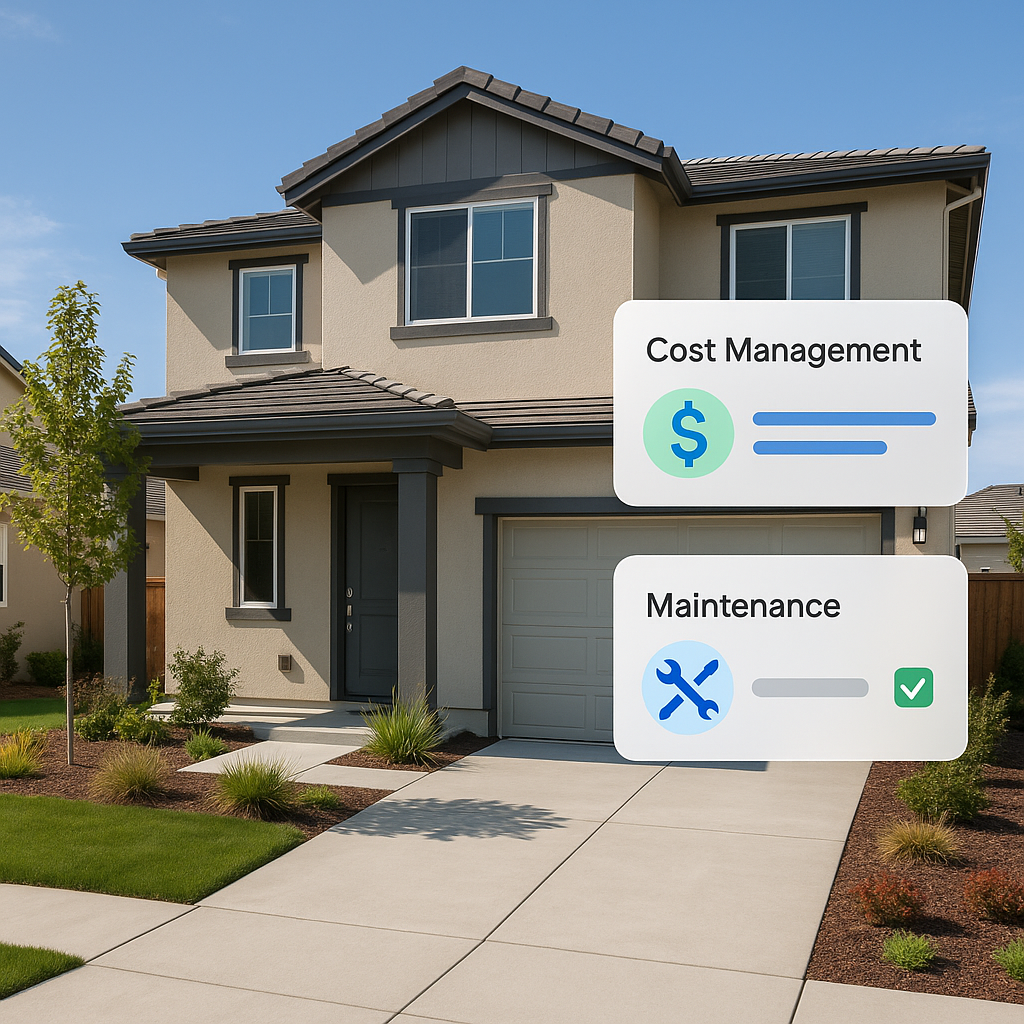
Discover how Sacramento property owners and investors can maximize returns through strategic cost-saving measures that preserve property value and tenant satisfaction.
Strategic Budgeting: The Foundation of Cost-Effective Property Management
In the current Sacramento real estate environment, strategic budgeting is the cornerstone of sustainable property management. Effective cost control begins with a comprehensive, data-driven budget that accounts for both predictable expenses—such as routine maintenance, property taxes, and insurance—and potential contingencies. A robust budgeting process empowers property owners and managers to forecast cash flows accurately, align expenditures with investment objectives, and maintain compliance with financial reporting standards.
By integrating historical expense analysis and market trend forecasting, property managers can identify operational inefficiencies and prioritize investments that yield the highest return. This disciplined approach not only maximizes portfolio value but also ensures that service quality remains uncompromised, supporting long-term asset appreciation and tenant satisfaction.
Leveraging Technology for Streamlined Operations and Reduced Expenses
Technology adoption is pivotal in modern property management. Automated rent collection, digital maintenance request systems, and cloud-based owner portals significantly reduce administrative burdens while increasing accuracy and transparency. Implementing property management software enables real-time tracking of income and expenses, centralizes documentation, and provides investors with immediate insights into portfolio performance.
Smart property upgrades—such as energy-efficient lighting, programmable thermostats, and water-saving fixtures—not only lower utility costs but also position properties as attractive, eco-friendly options for prospective tenants. Leveraging technology allows property managers to respond swiftly to maintenance issues, optimize resource allocation, and uphold service standards without increasing overhead.
Vendor Relationships and In-House Maintenance: Optimizing Service and Savings
Optimizing vendor relationships is essential for controlling costs and ensuring service quality. Establishing long-term partnerships with reliable vendors secures preferential pricing, expedited service, and consistent results. Transparent bidding processes and regular performance evaluations further protect against cost overruns and service lapses.
Balancing in-house maintenance capabilities with strategic vendor outsourcing maximizes operational flexibility. All Inclusive Realty’s integrated maintenance teams provide rapid emergency response and cost-effective routine repairs, minimizing downtime and safeguarding asset value. Coordinated vendor oversight ensures that all maintenance work meets regulatory standards and aligns with investment goals.
Tenant Retention Strategies That Minimize Turnover Costs
Tenant turnover is one of the most significant expenses impacting property profitability. Proactive retention strategies—such as timely communication, responsive maintenance, and regular property upgrades—foster tenant loyalty and reduce vacancy durations. Personalized service and clear channels for feedback further enhance tenant satisfaction, decreasing the likelihood of costly evictions or lease violations.
Offering incentives for lease renewals, maintaining competitive rent pricing, and addressing tenant concerns promptly can significantly extend average tenancy periods. By minimizing turnover, property managers preserve rental income stability and reduce the resources required for marketing, screening, and onboarding new residents.
Regulatory Compliance and Risk Mitigation: Protecting Your Investment While Saving Money
Staying ahead of regulatory changes is critical for Sacramento property owners. Non-compliance with city inspections, fair housing laws, or safety requirements can result in substantial fines and legal expenses. Proactive compliance management—including scheduled inspections, documentation audits, and ongoing staff training—reduces exposure to these risks.
Risk mitigation also encompasses robust insurance coverage, regular legal reviews of leasing documents, and the adoption of industry best practices. By prioritizing compliance, property managers not only safeguard assets but also enhance operational efficiency, avoid unexpected liabilities, and build investor confidence in the long-term stability of their portfolios.