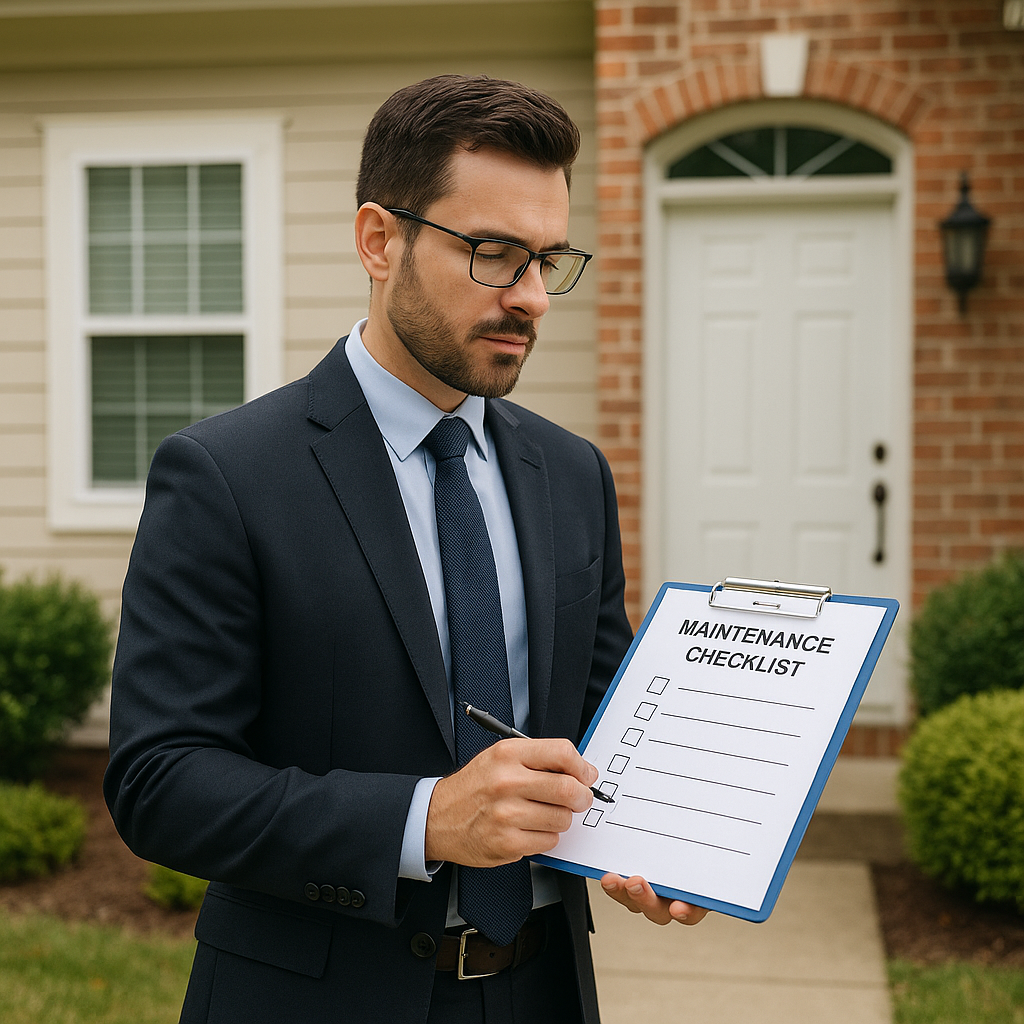
Consistent, proactive property management practices can significantly reduce vacancy loss, improve tenant retention, and maximize rental income for Sacramento property investors.
Proactive Maintenance Scheduling Reduces Turnover and Protects Asset Value
Establishing a systematic maintenance schedule represents one of the most effective strategies for preserving asset value and minimizing tenant turnover in Sacramento rental properties. Property investors who implement preventive maintenance protocols consistently outperform reactive approaches in both cost management and tenant satisfaction metrics. By addressing maintenance needs before they escalate into costly repairs or tenant complaints, property managers can significantly reduce emergency service calls, extend the useful life of major systems, and demonstrate a commitment to property quality that directly influences tenant retention rates.
A well-structured maintenance calendar should include quarterly HVAC system inspections, annual water heater servicing, seasonal gutter cleaning, and regular evaluation of roofing integrity—particularly critical in Sacramento's variable climate conditions. Documentation of all maintenance activities provides valuable records for tax purposes, supports accurate property valuations, and demonstrates due diligence in the event of insurance claims or legal disputes. This data-driven approach to asset preservation enables investors to forecast capital expenditures more accurately and avoid the revenue disruption associated with unexpected system failures.
The financial impact of proactive maintenance extends beyond direct cost savings. Properties with documented maintenance histories command higher rental rates, experience shorter vacancy periods between tenants, and maintain stronger competitive positioning in the Sacramento rental market. Tenants increasingly view responsive, preventive maintenance as a primary factor in lease renewal decisions, making this operational habit a critical component of any comprehensive tenant retention strategy.
Strategic Tenant Communication Builds Retention and Minimizes Vacancy Loss
Effective tenant communication protocols serve as a foundational element in reducing vacancy loss and maximizing rental income stability. Sacramento property investors who implement structured communication strategies—including regular property updates, transparent maintenance timelines, and accessible channels for tenant inquiries—consistently achieve higher retention rates than those relying on reactive or inconsistent engagement. This systematic approach to relationship management transforms the landlord-tenant dynamic from transactional to collaborative, fostering the long-term occupancy patterns that drive superior investment returns.
Professional property management requires establishing clear communication standards from lease inception through renewal negotiations. Regular quarterly check-ins, whether conducted via email, phone, or property management software platforms, provide opportunities to address minor concerns before they escalate into lease violations or non-renewal decisions. Timely responses to maintenance requests—ideally within 24 hours for acknowledgment and with clear timelines for resolution—demonstrate operational competence and respect for tenant comfort. These practices directly correlate with tenant satisfaction scores and willingness to accept reasonable rent increases during lease renewals.
Strategic communication also encompasses proactive notification regarding property improvements, neighborhood developments, and lease term reminders. Providing 90-day advance notice of lease expiration dates, accompanied by transparent market analysis justifying any proposed rent adjustments, allows tenants adequate time for informed decision-making while positioning the property owner as a fair and professional operator. This approach minimizes the vacancy loss associated with surprise rent increases or last-minute lease negotiations, protecting cash flow continuity and reducing the substantial costs associated with tenant turnover—typically ranging from one to two months' rent when accounting for vacancy periods, marketing expenses, and turnover preparation.
Data-Driven Pricing Reviews Optimize Rental Income Without Sacrificing Occupancy
Systematic rental pricing analysis represents a critical yet frequently overlooked component of maximizing investment returns in Sacramento's dynamic rental market. Property investors who conduct quarterly comparative market analyses—evaluating comparable properties by location, square footage, amenities, and condition—position themselves to optimize rental income while maintaining competitive occupancy rates. This analytical approach replaces arbitrary pricing decisions with market-informed strategies that account for seasonal demand fluctuations, neighborhood appreciation trends, and evolving tenant preferences.
Effective pricing reviews require examining multiple data sources, including recent lease transactions in comparable properties, current listing inventory, average days on market, and concession trends within specific Sacramento submarkets. Properties in established neighborhoods such as East Sacramento, Land Park, or Natomas each exhibit distinct pricing dynamics that demand localized analysis rather than city-wide generalizations. Investors should also factor in property-specific variables including recent capital improvements, energy efficiency upgrades, and parking availability—amenities that justify premium pricing in competitive markets.
The timing of rental rate adjustments significantly impacts both revenue optimization and tenant retention. While market conditions may support substantial increases, implementing modest annual adjustments of 3-5% during lease renewals typically proves more effective than allowing rates to stagnate for multiple years followed by dramatic increases that trigger tenant turnover. This measured approach balances income growth with occupancy stability, recognizing that the cost of vacancy—including lost rent, turnover expenses, and marketing costs—often exceeds the short-term gains from aggressive pricing strategies. Property investors who master this balance through consistent data analysis achieve superior long-term portfolio performance.
Systematic Property Inspections Identify Issues Before They Escalate Costs
Regular property inspections constitute an essential risk management practice that protects both asset value and rental income streams. Sacramento property investors who implement quarterly or semi-annual inspection protocols consistently identify maintenance issues, lease compliance concerns, and potential liability risks before they escalate into costly repairs or legal disputes. These systematic evaluations provide documented evidence of property condition, support accurate insurance claims when necessary, and demonstrate the due diligence required for favorable treatment in landlord-tenant disputes.
Comprehensive property inspections should follow standardized checklists covering interior and exterior elements, including structural integrity, plumbing and electrical systems, appliance functionality, smoke and carbon monoxide detector operation, and compliance with local housing codes. Particular attention should be directed toward moisture intrusion indicators—critical in Sacramento's climate—including water stains, mold growth, or compromised weather sealing. Photographic documentation at each inspection creates a chronological record of property condition, supporting both maintenance planning and security deposit adjudication at lease termination.
The inspection process also serves as an opportunity to identify unauthorized occupants, prohibited pets, or lease violations that could compromise property value or create liability exposure. Early identification of such issues allows for corrective action through formal lease compliance procedures, protecting the property owner's interests while maintaining professional landlord-tenant relationships. When conducted with appropriate notice as required by California Civil Code Section 1954, these inspections reinforce property standards without infringing on tenant privacy rights. The modest investment in systematic inspection protocols—whether conducted by property management staff or third-party professionals—consistently yields substantial returns through early problem detection, reduced emergency repair costs, and enhanced tenant accountability.
Consistent Lease Compliance Monitoring Protects Revenue and Ensures Regulatory Adherence
Diligent lease compliance monitoring represents a fundamental operational discipline that protects rental income, preserves property value, and ensures adherence to California's complex landlord-tenant regulations. Sacramento property investors who implement systematic compliance tracking—including rent payment monitoring, lease term enforcement, and documentation of all tenant communications—significantly reduce revenue loss from delinquencies while minimizing legal exposure from fair housing violations or improper eviction procedures. This structured approach transforms lease agreements from static documents into actively managed instruments that govern the landlord-tenant relationship.
Effective compliance monitoring begins with establishing clear rent collection protocols, including specific due dates, grace periods, late fee structures that comply with California Civil Code requirements, and escalation procedures for delinquent accounts. Automated payment systems and consistent enforcement of late fees—applied uniformly to all tenants—demonstrate professional property management while protecting cash flow. Property managers should maintain detailed records of all payment communications, including three-day notice to pay or quit documents when necessary, ensuring full compliance with California's unlawful detainer procedures should eviction proceedings become necessary.
Beyond financial compliance, systematic monitoring should encompass lease term adherence including occupancy limits, pet policies, property use restrictions, and maintenance responsibilities. Regular review of tenant insurance certificates, parking permit compliance, and common area usage helps prevent minor violations from escalating into significant property damage or neighbor complaints. This proactive approach must be balanced with strict adherence to fair housing laws, ensuring that all enforcement actions are applied consistently regardless of tenant protected class status. Property investors who master this balance—combining firm policy enforcement with regulatory compliance—achieve superior portfolio performance through reduced delinquencies, minimized legal costs, and enhanced property preservation. The operational discipline required for consistent lease compliance monitoring directly translates to measurable improvements in net operating income and long-term asset appreciation.
This content is for informational and educational purposes only. It does not constitute an offer or solicitation to buy or sell any security or investment product. Past performance and market trends do not guarantee future results. Consult a licensed financial advisor before making investment decisions. All Inclusive Realty Group, Inc. DRE #02005619.