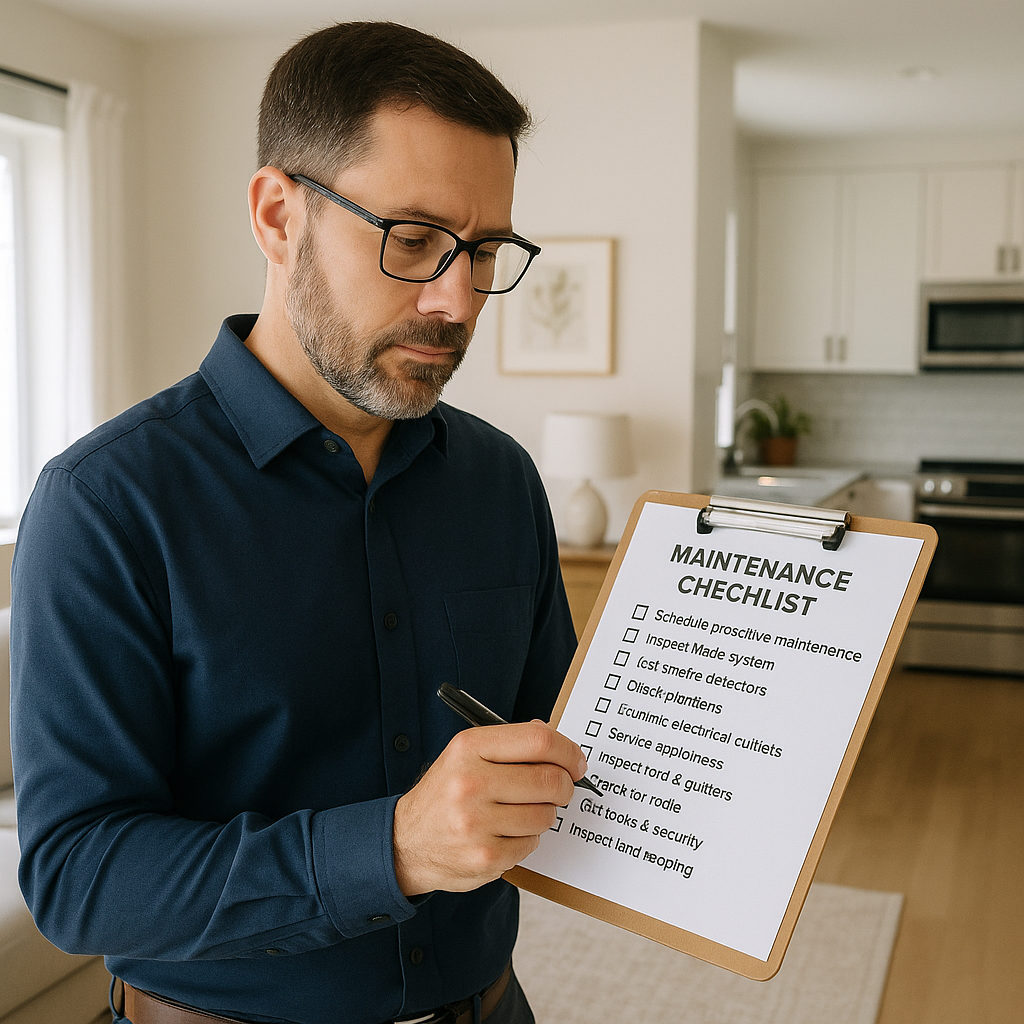
Unlock greater profitability and minimize costly vacancies with a maintenance schedule designed for long-term real estate investment success.
The Critical Role of Preventative Maintenance in Investment Properties
Preventative maintenance serves as the foundation for sustainable investment property performance. By addressing small issues before they escalate, property owners can proactively avoid significant emergency repairs that disrupt cash flow and tenant satisfaction. This forward-thinking approach not only protects the physical asset but also upholds the value of the investment portfolio over time.
For Sacramento and Roseville investors, preventative strategies reduce operational volatility and enable predictable budgeting. Regular attention to key systems—such as HVAC, roofing, and plumbing—helps maintain compliance with local codes and ensures properties remain attractive to quality tenants, supporting higher occupancy rates and stable returns.
Assessing Portfolio Needs: Customizing Your Maintenance Approach
Each investment portfolio is unique, shaped by factors such as property age, asset class, location, and tenant demographic. A tailored maintenance schedule begins with a full assessment of these variables, enabling investors to prioritize tasks that align with both risk exposure and asset performance objectives.
Customizing your maintenance approach means identifying critical systems for each property, understanding local climate impacts, and incorporating city-mandated inspection schedules. By aligning maintenance activities with the realities of your portfolio, property managers can reduce unnecessary expenditures while maximizing operational efficiency and compliance.
Building an Actionable Maintenance Calendar for Optimal Performance
A well-structured maintenance calendar is essential for executing a successful property management strategy. Start by categorizing tasks into weekly, monthly, and annual priorities—addressing routine cleaning, periodic system checks, and comprehensive inspections in accordance with seasonal demands.
Seasonal planning is particularly important in Northern California, where weather patterns impact everything from HVAC performance to roof durability. Leveraging a calendar system that accounts for these fluctuations ensures that preventative measures are taken before issues arise, reducing downtime and costly emergency repairs while keeping tenants satisfied.
Leveraging Technology and Vendor Networks for Streamlined Operations
Modern maintenance management relies heavily on digital solutions and robust vendor relationships. Property management software enables task scheduling, vendor assignment, and real-time progress tracking—all critical for maintaining accountability and minimizing missed deadlines.
A strong network of vetted vendors ensures rapid response to maintenance needs and supports cost-effective service delivery. By integrating technology with established vendor partnerships, property managers can streamline operations, improve communication, and provide transparent maintenance records to owners and tenants alike, supporting regulatory compliance and audit readiness.
Measuring Results: Maintenance ROI and Portfolio Value Enhancement
Evaluating the return on investment for preventative maintenance is a key component of strategic property management. Tracking maintenance expenses against reductions in emergency repairs and vacancy rates provides clear insight into the value generated by a structured schedule.
Enhanced maintenance practices not only improve asset longevity but also contribute directly to portfolio value. Investors benefit from higher property appraisals, increased rental income stability, and improved tenant retention—ultimately driving sustained profitability and long-term success in the Sacramento and Roseville real estate markets.