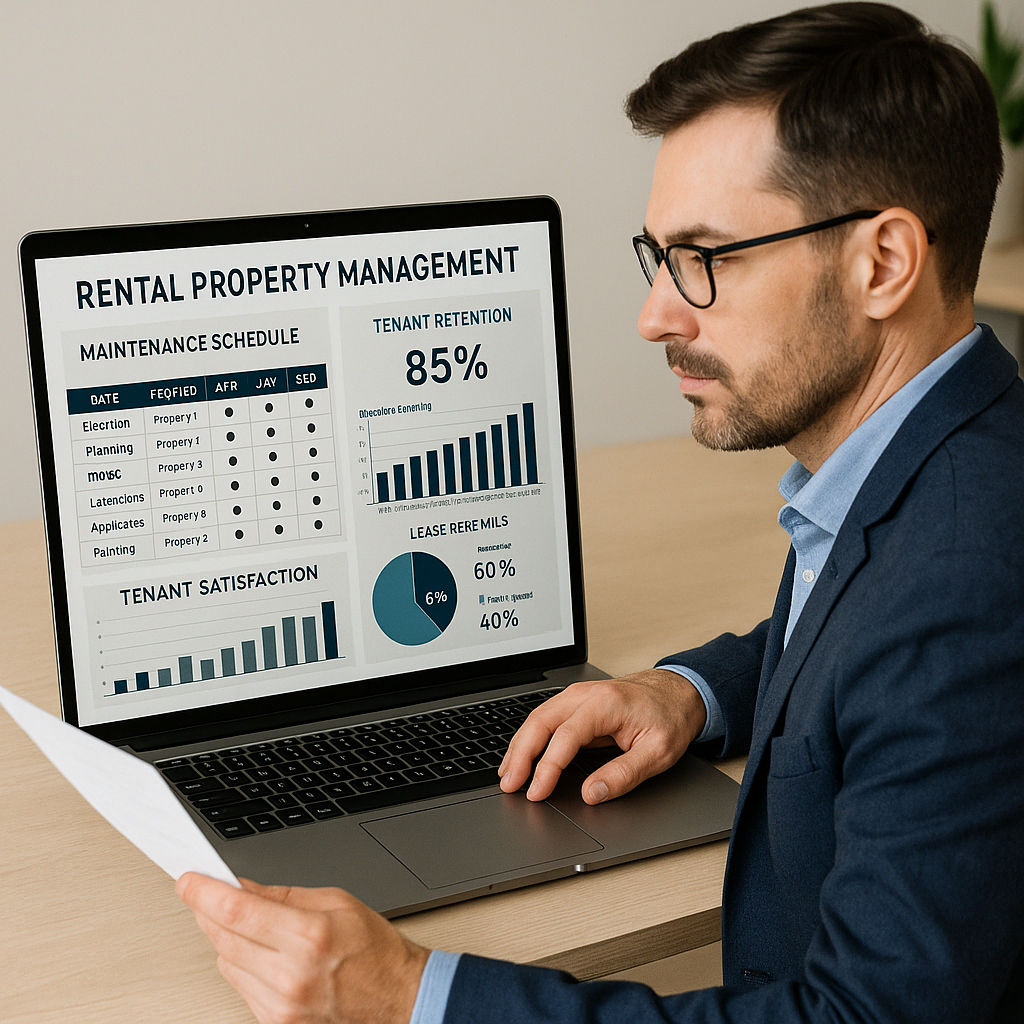
Discover how systematic property management frameworks reduce vacancy loss, improve tenant retention, and maximize rental income through proactive operational strategies and compliance-focused practices.
The Financial Impact of Management Structure on Portfolio Performance
The correlation between structured property management frameworks and portfolio financial performance is both measurable and significant. Properties managed under systematic operational protocols demonstrate consistently lower vacancy rates, reduced turnover costs, and optimized net operating income compared to those operating without formal management structures. For Sacramento rental property investors, this translates directly to enhanced cash flow stability and improved return on investment metrics across single-asset and multi-property portfolios alike.
A well-designed management structure establishes clear accountability mechanisms, standardized financial reporting, and predictable cost allocation models that enable precise performance tracking. By implementing systematic rent collection procedures, automated late fee enforcement, and proactive delinquency management protocols, structured frameworks minimize revenue leakage and maintain consistent income streams. These operational efficiencies compound over time, creating material differences in portfolio valuation and investment performance that become particularly evident during market volatility or interest rate fluctuations.
Furthermore, structured management enables portfolio-level analysis that identifies underperforming assets, optimizes capital allocation decisions, and supports strategic repositioning initiatives. Property owners gain access to comparative performance metrics, expense ratio benchmarking, and occupancy trend analysis that inform data-driven investment decisions. This analytical capability is essential for maximizing rental income while controlling operational costs, particularly in competitive markets where marginal improvements in efficiency directly impact bottom-line profitability and long-term asset appreciation.
Proactive Maintenance Protocols That Minimize Turnover and Vacancy Loss
Proactive maintenance represents one of the most effective strategies for reducing tenant turnover and minimizing costly vacancy periods. Structured management systems implement preventive maintenance schedules that address potential issues before they escalate into emergency repairs or tenant dissatisfaction. Regular HVAC servicing, plumbing inspections, roof assessments, and appliance maintenance extend asset life cycles while simultaneously demonstrating responsiveness that strengthens tenant retention. Properties with documented maintenance protocols experience significantly lower turnover rates, as tenants recognize and value the consistent attention to property condition.
The financial implications of proactive maintenance extend beyond immediate repair cost savings. Emergency maintenance requests typically cost two to three times more than scheduled preventive work, and unplanned repairs often occur at inconvenient times that disrupt tenant satisfaction. By establishing systematic inspection cycles and maintenance calendars, property managers can budget accurately for capital expenditures, negotiate favorable vendor contracts through scheduled work volume, and avoid the premium costs associated with urgent service calls. This approach transforms maintenance from a reactive expense center into a strategic cost control mechanism.
Technology integration amplifies the effectiveness of proactive maintenance protocols through digital work order systems, automated inspection reminders, and tenant communication platforms. These tools create documented maintenance histories that support warranty claims, inform capital improvement planning, and provide transparency that builds tenant trust. When tenants can easily submit maintenance requests and receive timely updates on resolution progress, satisfaction levels increase measurably. This operational excellence in maintenance delivery directly correlates with lease renewal rates, reducing the substantial costs associated with tenant turnover, unit preparation, and vacancy loss that erode portfolio performance.
Systematic Tenant Screening and Retention Strategies for Stable Occupancy
Comprehensive tenant screening protocols form the foundation of long-term rental stability by identifying qualified applicants who demonstrate financial capacity, rental history reliability, and behavioral compatibility with property standards. Structured screening processes incorporate credit analysis, income verification at appropriate debt-to-income ratios, criminal background checks, and previous landlord references to assess applicant risk profiles systematically. This methodical approach reduces placement errors that lead to early terminations, lease violations, or payment delinquencies, thereby protecting rental income streams and minimizing costly eviction proceedings.
Beyond initial screening, retention strategies must be equally systematic to maintain stable occupancy and reduce turnover-related expenses. Proactive lease renewal outreach beginning 90 to 120 days before lease expiration, responsive communication protocols, and periodic tenant satisfaction assessments create engagement that encourages long-term residency. Strategic rent adjustment analysis that balances market positioning with retention economics often reveals that modest below-market increases for quality existing tenants generate superior returns compared to aggressive pricing that triggers turnover and the associated costs of vacancy, marketing, screening, and unit preparation.
Retention-focused management structures also implement tenant appreciation initiatives, maintenance responsiveness standards, and clear communication channels that build positive landlord-tenant relationships. These operational practices reduce friction points that commonly precipitate early move-outs, while creating differentiation in competitive rental markets. Properties managed with systematic retention strategies maintain occupancy rates consistently above market averages, generating the predictable income streams that institutional investors value and that support favorable financing terms for portfolio expansion. For Sacramento property owners, this stability translates directly to maximized rental income and optimized investment performance across market cycles.
Compliance Frameworks That Protect Investment Value and Reduce Legal Risk
Regulatory compliance represents a critical yet often underestimated component of rental property management that directly impacts investment value and operational continuity. Fair housing regulations, local landlord-tenant statutes, habitability standards, security deposit handling requirements, and eviction procedures create a complex legal landscape that demands systematic compliance frameworks. Properties managed without structured compliance protocols face substantial legal risk exposure, including discrimination claims, regulatory penalties, and costly litigation that can materially impair portfolio returns and reputation.
A comprehensive compliance framework establishes standardized procedures for all tenant interactions, from initial advertising and application processing through lease execution and tenancy management. Documentation protocols ensure that all decisions are supported by objective criteria and business justifications that withstand regulatory scrutiny. Regular staff training on fair housing principles, reasonable accommodation requirements, and evolving regulatory standards maintains operational consistency that protects against inadvertent violations. For property management companies serving Sacramento investors, local expertise in California-specific regulations including AB 1482 rent control provisions, just cause eviction requirements, and security deposit return timelines is essential for risk mitigation.
Beyond avoiding penalties, robust compliance frameworks actually enhance property value by demonstrating operational excellence that attracts quality tenants and supports favorable financing terms. Lenders and institutional investors increasingly require evidence of compliance management systems as part of their due diligence processes, recognizing that regulatory violations create contingent liabilities that impair asset valuations. Properties with documented compliance protocols, regular audits, and clean regulatory histories command premium valuations and access to more favorable capital markets. This systematic approach to legal risk management represents a strategic investment in portfolio stability and long-term appreciation that far exceeds the operational costs of implementation.
Data-Driven Decision Making for Optimized Rental Income and Cost Control
The transition from intuition-based to data-driven property management represents a fundamental shift that enables optimized financial performance across rental portfolios. Structured management systems capture granular operational data including rent collection rates, maintenance expense categories, turnover costs, vacancy duration, and market pricing trends that inform strategic decision making. Advanced analytics transform this raw data into actionable insights regarding optimal rent positioning, cost reduction opportunities, and portfolio allocation strategies that maximize return on investment while controlling risk exposure.
Comparative market analysis supported by real-time data enables dynamic pricing strategies that balance occupancy optimization with revenue maximization. Rather than relying on annual rent increases based on general market perceptions, data-driven approaches analyze unit-specific performance, competitive positioning, tenant payment history, and renewal probability to establish customized pricing that optimizes portfolio-level returns. Similarly, expense analysis identifies cost control opportunities through vendor performance benchmarking, maintenance category trending, and utility consumption patterns that reveal operational inefficiencies requiring remediation.
Technology platforms that integrate property management software, financial reporting systems, and market intelligence tools create comprehensive dashboards that support strategic decision making at both property and portfolio levels. Sacramento property investors gain visibility into key performance indicators including occupancy rates, average days to lease, maintenance cost per unit, and net operating income trends that enable proactive management interventions before performance degradation occurs. This analytical capability transforms property management from a tactical operational function into a strategic value driver that compounds investment returns through continuous optimization. For investors seeking to maximize rental income while maintaining cost discipline, data-driven management frameworks represent an essential competitive advantage in increasingly sophisticated real estate markets.