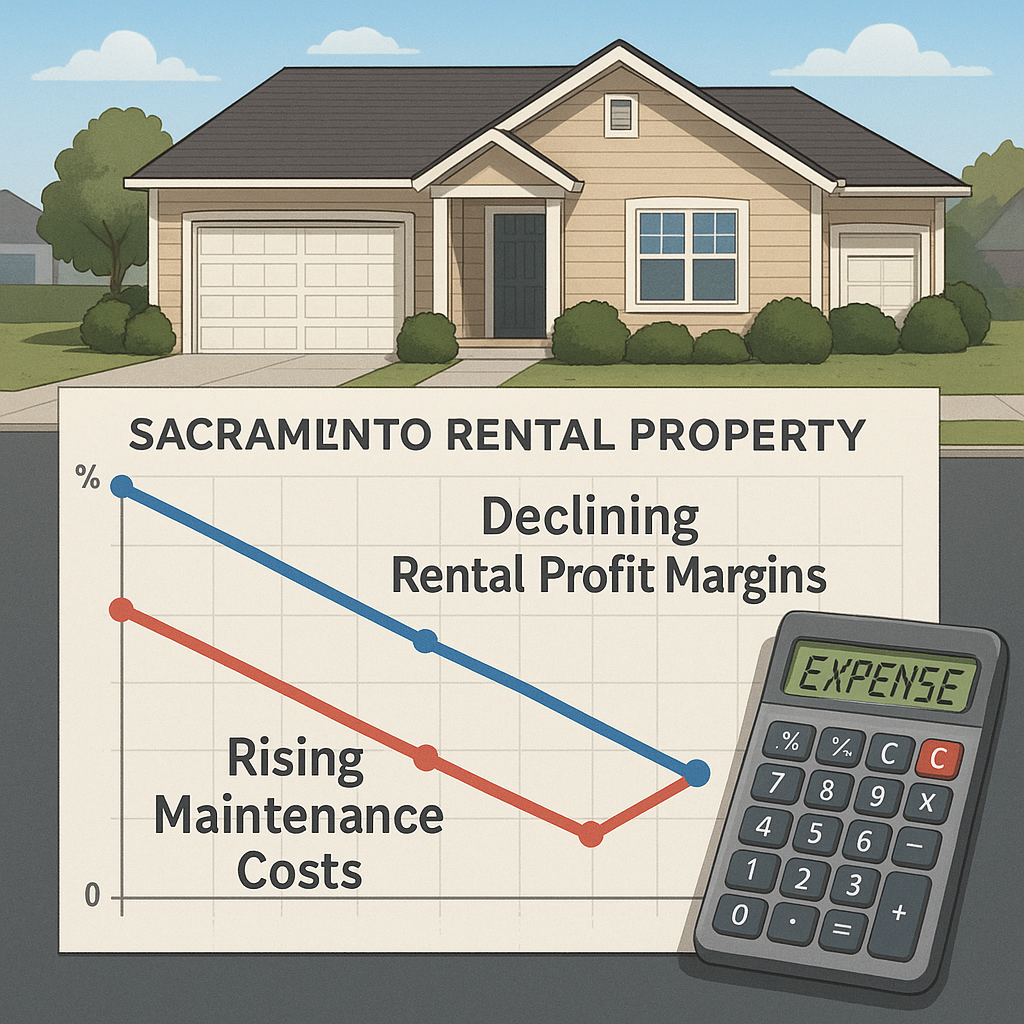
Unplanned maintenance expenses can silently erode your rental income by up to 30% annually—discover where your profits are disappearing and how to protect your investment returns.
The Hidden Cost Structure Behind Declining Rental Returns
Property maintenance expenses represent one of the most significant yet frequently underestimated operational costs impacting net operating income for rental property investors. While most landlords and portfolio managers budget for routine repairs and seasonal upkeep, the true financial impact of maintenance extends far beyond these predictable line items. A comprehensive analysis of rental property performance reveals that maintenance-related costs—including direct repair expenses, tenant turnover costs, extended vacancy periods, and diminished property values—collectively account for substantially larger profit erosion than initial projections suggest.
The fundamental challenge lies in the multifaceted nature of maintenance costs. Direct expenses such as HVAC repairs, plumbing fixes, and appliance replacements are visible and trackable, yet they represent only a portion of the total financial burden. Indirect costs including administrative overhead for coordinating repairs, opportunity costs from delayed maintenance decisions, and the compounding effect of deferred work create a complex cost structure that systematically reduces rental income. Sacramento property investors must recognize that each maintenance decision creates a cascade of financial implications that directly impact cash flow, property appreciation, and overall return on investment.
Industry data demonstrates that properties with inadequate maintenance budgets experience disproportionately higher total operating expenses over time. The initial cost savings from deferring maintenance or selecting lower-quality repair solutions invariably lead to accelerated deterioration, more frequent emergency repairs, and increased tenant dissatisfaction. This pattern establishes a negative feedback loop where declining property conditions drive higher vacancy rates, necessitate rent concessions to attract tenants, and ultimately compress profit margins. Understanding this hidden cost structure is essential for property owners seeking to maximize rental income and preserve long-term asset value in competitive rental markets.
Deferred Maintenance: The Compounding Expense That Drives Tenant Turnover
Deferred maintenance represents a strategic miscalculation that transforms manageable repair costs into exponentially larger financial liabilities. When property owners postpone necessary repairs to preserve short-term cash flow, they inadvertently initiate a compounding cost cycle that significantly exceeds the original repair expense. A minor roof leak left unaddressed, for example, progresses from a modest repair requirement to extensive structural damage involving ceiling replacement, mold remediation, and potential displacement costs. This escalation pattern applies across all property systems, from plumbing and electrical to HVAC and exterior components, creating a predictable trajectory toward substantially higher capital expenditures.
The financial impact of deferred maintenance extends beyond direct repair costs to encompass tenant retention challenges that fundamentally undermine rental profitability. Quality tenants—those who pay rent consistently, maintain properties responsibly, and renew leases—prioritize living conditions and landlord responsiveness when making housing decisions. When maintenance requests go unaddressed or repairs are executed poorly, tenant satisfaction declines precipitously, directly increasing turnover probability. Industry research indicates that tenant turnover costs typically range from one to three months of rental income when accounting for vacancy loss, marketing expenses, screening costs, cleaning, repairs, and lease-up concessions. For Sacramento rental properties, this translates to substantial profit erosion that far exceeds the cost of proactive maintenance.
The correlation between maintenance backlogs and tenant turnover creates a measurable impact on net operating income that property managers must quantify and address systematically. Each instance of deferred maintenance increases the likelihood of lease non-renewal, compressing the average tenant retention period and elevating annual turnover rates. Properties with consistent maintenance backlogs experience tenant retention rates 25-40% lower than well-maintained comparable properties, resulting in significantly higher vacancy loss and turnover-related expenses. For portfolio managers seeking to optimize rental income, addressing deferred maintenance represents not merely a property preservation strategy but a fundamental tenant retention and profit maximization imperative that directly influences investment performance metrics and long-term asset appreciation.
Emergency Repairs Versus Preventive Maintenance: A Cost-Benefit Analysis
The financial comparison between emergency repairs and preventive maintenance reveals a compelling economic argument for proactive property management strategies. Emergency repairs typically cost 3-5 times more than planned maintenance for equivalent work, driven by premium pricing for after-hours service, expedited parts procurement, and the absence of competitive bidding processes. Beyond direct cost differentials, emergency repairs generate cascading expenses including tenant inconvenience costs, potential property damage from system failures, and administrative overhead from crisis management. A preventive maintenance approach that identifies and addresses potential failures before they occur consistently delivers superior financial outcomes across all property types and market conditions.
Preventive maintenance programs provide quantifiable returns on investment through extended equipment lifespan, reduced energy consumption, and minimized catastrophic failure risk. Regular HVAC system servicing, for instance, extends equipment life by 40-60% while reducing energy costs by 15-25% through optimized performance. Routine plumbing inspections identify minor leaks and deteriorating components before they cause water damage, preventing repair costs that routinely exceed $5,000-$15,000 per incident. For Sacramento property investors managing multiple units, implementing systematic preventive maintenance schedules creates predictable operating expenses, eliminates surprise capital expenditures, and preserves property values through consistent upkeep that maintains competitive market positioning.
The strategic implementation of preventive maintenance programs requires initial investment in inspection protocols, vendor relationships, and scheduling systems, yet delivers measurable profit enhancement through reduced total maintenance expenditures and improved tenant retention. Properties operating under comprehensive preventive maintenance programs experience 30-50% lower annual maintenance costs compared to reactive maintenance approaches, while simultaneously achieving higher tenant satisfaction scores and extended lease renewal rates. This dual benefit—reduced costs and increased revenue stability—directly enhances net operating income and property valuation multiples. For portfolio managers evaluating operational strategies, preventive maintenance represents a high-return investment that strengthens competitive positioning while protecting long-term asset value in dynamic rental markets.
How Maintenance Backlogs Directly Impact Vacancy Rates and Rental Income
Maintenance backlogs create immediate and measurable impacts on vacancy rates through multiple interconnected mechanisms that systematically reduce rental income. Properties with visible maintenance deficiencies experience extended marketing periods as prospective tenants compare units and consistently select better-maintained alternatives at equivalent price points. Online reviews and tenant feedback increasingly influence rental decisions, with maintenance-related complaints prominently featured in negative reviews that deter qualified applicants and necessitate rent reductions to secure occupancy. Sacramento rental properties competing in markets with multiple comparable options face particular vulnerability to vacancy loss when maintenance standards fall below tenant expectations, as prospective renters readily identify superior alternatives within their target price range.
The relationship between maintenance backlogs and rental pricing power represents a critical yet frequently overlooked profit determinant. Properties with deferred maintenance cannot command premium rental rates regardless of location or amenities, as tenants accurately assess property conditions and adjust their willingness to pay accordingly. Maintenance backlogs typically necessitate 5-15% rent discounts relative to well-maintained comparable properties, directly reducing gross rental income and compressing profit margins. Additionally, properties with known maintenance issues experience higher rates of lease-up concessions, extended rent-free periods, and reduced deposit collections as landlords compensate for substandard conditions. These pricing concessions compound over time, creating permanent reductions in rental income that persist even after maintenance issues are eventually addressed.
Quantifying the total financial impact of maintenance-related vacancy loss requires comprehensive analysis of both direct vacancy costs and opportunity costs from suboptimal rental rates. A property experiencing an additional 10 days of vacancy per turnover due to maintenance-related delays loses approximately 3% of annual rental income per vacancy event. When combined with reduced rental rates, increased turnover frequency, and elevated marketing costs, maintenance backlogs can reduce net operating income by 15-25% compared to proactively maintained properties. For real estate investors evaluating portfolio performance, addressing maintenance backlogs represents a high-priority profit recovery opportunity that delivers immediate improvements in occupancy rates, rental income, and property valuation. Strategic maintenance planning that eliminates backlogs and prevents future accumulation constitutes essential infrastructure for maximizing rental returns and preserving competitive market positioning.
Strategic Maintenance Planning to Maximize Net Operating Income
Strategic maintenance planning transforms maintenance from a reactive cost center into a proactive profit optimization tool that enhances net operating income through systematic cost control and revenue preservation. Effective maintenance strategies begin with comprehensive property assessments that identify all systems, components, and equipment requiring ongoing attention, establishing baseline conditions and projected service lives. This assessment process enables property managers to develop multi-year maintenance calendars that schedule preventive service, anticipate component replacements, and budget accurately for capital expenditures. By transitioning from reactive to planned maintenance, property owners achieve predictable operating expenses, eliminate emergency repair premiums, and extend asset lifecycles through appropriate care and timely interventions.
Implementation of strategic maintenance planning requires establishing vendor relationships, creating inspection protocols, and deploying technology systems that track work orders, maintenance history, and equipment performance. Quality vendor partnerships with licensed, insured contractors provide reliable service at competitive pricing, eliminating the premium costs associated with emergency service calls and unfamiliar contractors. Regular inspection schedules—quarterly for critical systems, annually for structural components—identify emerging issues before they escalate into costly repairs or tenant complaints. Modern property management software platforms integrate maintenance tracking with financial reporting, enabling portfolio managers to analyze maintenance costs per unit, compare properties, and identify optimization opportunities that reduce expenses while maintaining service quality.
The financial benefits of strategic maintenance planning manifest through multiple performance improvements that collectively enhance investment returns. Properties operating under comprehensive maintenance programs experience 20-35% lower total maintenance costs, 15-25% higher tenant retention rates, and 5-10% premium rental rates compared to reactively managed properties. These improvements directly increase net operating income, enhance property valuations through improved operating metrics, and reduce investment risk through predictable expense patterns. For Sacramento property investors seeking to maximize rental profits in competitive markets, strategic maintenance planning represents essential infrastructure that protects asset values, optimizes cash flow, and delivers sustainable competitive advantages. The transition from reactive to strategic maintenance requires initial investment in systems and processes, yet consistently delivers superior financial performance that justifies implementation across portfolios of all sizes and property types.
This content is for informational and educational purposes only. It does not constitute an offer or solicitation to buy or sell any security or investment product. Past performance and market trends do not guarantee future results. Consult a licensed financial advisor before making investment decisions. All Inclusive Realty Group, Inc. DRE #02005619.