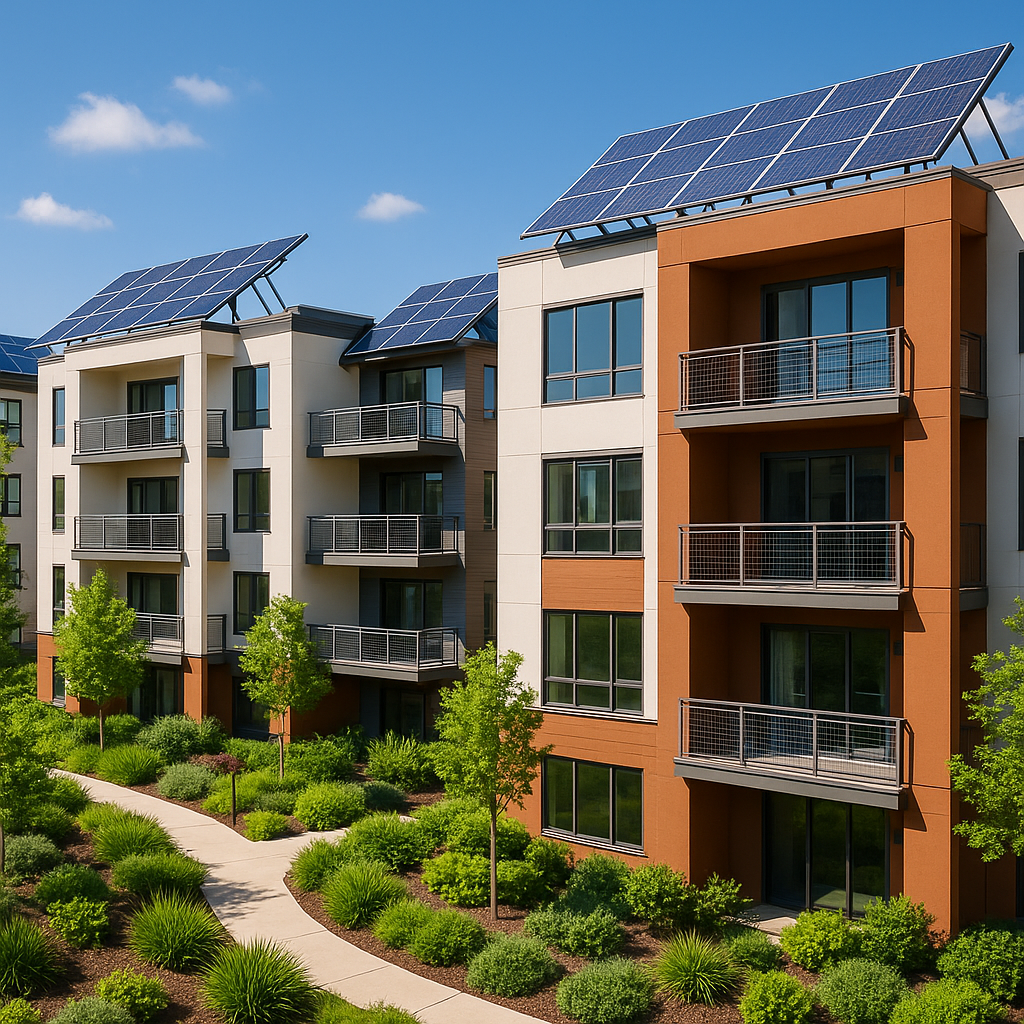
Discover how energy-efficient property management is redefining investment strategies and driving long-term value in Sacramento's real estate market.
The Rising Demand for Sustainable Investment Properties
The Sacramento real estate market is witnessing a distinct shift as investors and tenants increasingly prioritize sustainability. Demand for green buildings and eco-conscious property management is driven by heightened awareness of climate impact, rising utility expenses, and tenants’ desire to reduce their carbon footprint. Properties that offer energy-efficient features now command greater interest from both prospective renters and buyers, positioning sustainability as a core investment criterion.
This trend is especially pronounced among younger, environmentally conscious demographics and corporate tenants with ESG (Environmental, Social, Governance) mandates. As a result, sustainable investment properties are becoming a key differentiator in a competitive market, compelling landlords and portfolio owners to adopt energy-efficient upgrades to meet evolving expectations and maintain high occupancy rates.
Energy Efficiency as a Key Driver of Portfolio Performance
Energy efficiency has transitioned from a value-add to a necessity in high-performing real estate portfolios. Investments in LED lighting, smart thermostats, and high-efficiency HVAC systems directly reduce operating expenses, increase net operating income (NOI), and improve property valuations. These improvements translate into stronger financial performance, higher returns, and lower risk for investors.
Moreover, energy-efficient assets often benefit from premium pricing, both in rental rates and sale prices. Reduced energy consumption also shields owners from volatility in utility costs, further stabilizing cash flows. For investors focused on long-term wealth accumulation, integrating energy efficiency into property management strategies is an essential component of maximizing portfolio value.
Regulatory Shifts and Compliance in California Real Estate
California continues to lead the nation in environmental regulation, with increasingly stringent standards for energy efficiency, emissions, and sustainable practices in real estate. Legislation such as the California Energy Commission's Title 24 Building Energy Efficiency Standards and recent updates to local ordinances require property owners to proactively upgrade their assets or face penalties and diminished marketability.
Compliance is not merely a legal obligation; it is a strategic imperative for Sacramento property managers and investors. Staying ahead of regulatory shifts ensures uninterrupted operations, minimizes legal risk, and enhances reputation among stakeholders. Furthermore, many jurisdictions offer financial incentives, tax credits, and rebates for green retrofits, offsetting the initial investment and accelerating the return on sustainable upgrades.
Operational Savings and Enhanced Tenant Retention
Implementing energy-efficient technologies provides immediate operational savings through lower utility bills and reduced maintenance requirements. Routine upgrades such as low-flow fixtures, high-efficiency appliances, and advanced building automation can produce measurable cost reductions and improve asset reliability, leading to fewer service requests and lower turnover expenses.
Enhanced tenant retention is another critical advantage. Today's renters increasingly prioritize properties with sustainable amenities, including EV charging stations, solar panels, and green certifications. Highlighting these features in marketing materials and lease negotiations can increase tenant satisfaction, promote longer lease terms, and reduce vacancy rates—key drivers of stabilized revenue and portfolio performance.
Strategic Advantages for Forward-Thinking Property Owners
Property owners who proactively embrace energy efficiency are better positioned to capitalize on emerging market trends and regulatory developments. By future-proofing assets against obsolescence and aligning with shifting tenant preferences, investors enjoy improved risk-adjusted returns and stronger competitive positioning.
In addition, energy-efficient properties support broader investment objectives, such as maximizing asset appreciation, enhancing portfolio diversification, and supporting ESG commitments. As Sacramento’s real estate market continues to evolve, strategic adoption of green property management not only safeguards long-term profitability but also demonstrates leadership and commitment to sustainability—a value increasingly demanded by both tenants and investors.