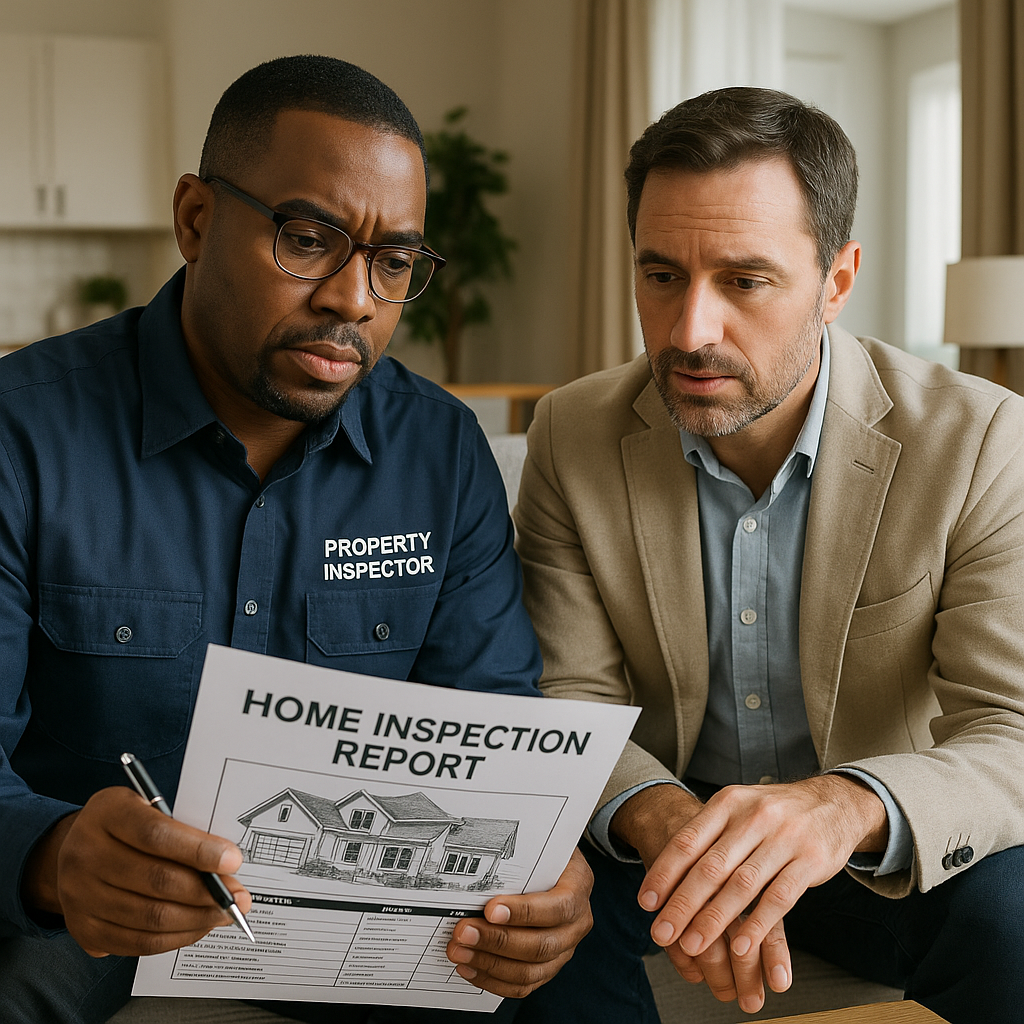
Avoid costly errors—learn the top home inspection mistakes that can jeopardize your real estate investment and discover how to protect your property portfolio.
Overlooking Structural and Safety Deficiencies During Inspections
A thorough inspection is essential to uncover structural and safety deficiencies that may impact the long-term viability of your investment. Skipping or minimizing this step can result in costly remediation, diminished asset value, and increased liability exposure. Issues such as foundation settlement, faulty wiring, or inadequate fire safety measures can significantly affect both habitability and insurance coverage.
For investors and landlords, unaddressed structural concerns may also lead to tenant complaints, regulatory penalties, and protracted vacancy periods. Ensuring comprehensive review during the inspection process is key to protecting your portfolio's performance and maintaining compliance with safety standards.
Relying Solely on Seller-Provided Inspection Reports
Relying on inspection reports provided by the seller introduces significant risk, as these documents may not reflect the current state of the property or may omit critical findings. Seller-provided reports are often prepared with the intent to facilitate a quick sale, potentially leading to incomplete disclosure of latent defects or deferred maintenance.
To safeguard your investment, always commission an independent, third-party inspection. This approach provides unbiased findings, supports informed negotiations, and aligns with best practices in real estate due diligence.
Failing to Hire Qualified and Licensed Inspectors
The expertise and credentials of your home inspector directly influence the accuracy and reliability of the inspection report. Unlicensed or underqualified inspectors may overlook material defects, misclassify risk factors, or fail to identify compliance issues with local building codes.
Investors should verify the inspector's licensing status, professional designations, and track record in the Sacramento and Roseville markets. Engaging a qualified professional ensures thorough evaluation and enhances the credibility of your due diligence process, reducing exposure to unforeseen expenses post-acquisition.
Underestimating the Impact of Deferred Maintenance on Investment Returns
Deferred maintenance can substantially erode investment returns by compounding repair costs, increasing tenant turnover, and decreasing property value. Minor issues such as leaks, inadequate ventilation, or pest intrusion, if left unaddressed, can escalate into significant capital expenditures that undermine net operating income.
Comprehensive inspections enable proactive identification and remediation of maintenance items prior to closing, supporting accurate budgeting, improved tenant retention, and enhanced overall portfolio performance.
Missing Critical Inspection Deadlines in Competitive Markets
In highly competitive real estate markets, buyers may be tempted to waive inspection contingencies or rush through the process to expedite closing. This strategy exposes investors to undisclosed liabilities and severely limits recourse for post-sale defects or compliance violations.
Adhering to inspection deadlines and maintaining rigorous due diligence is essential for mitigating portfolio risk and ensuring sustainable investment performance. Timely inspections support strategic decision-making and protect both short- and long-term financial outcomes.